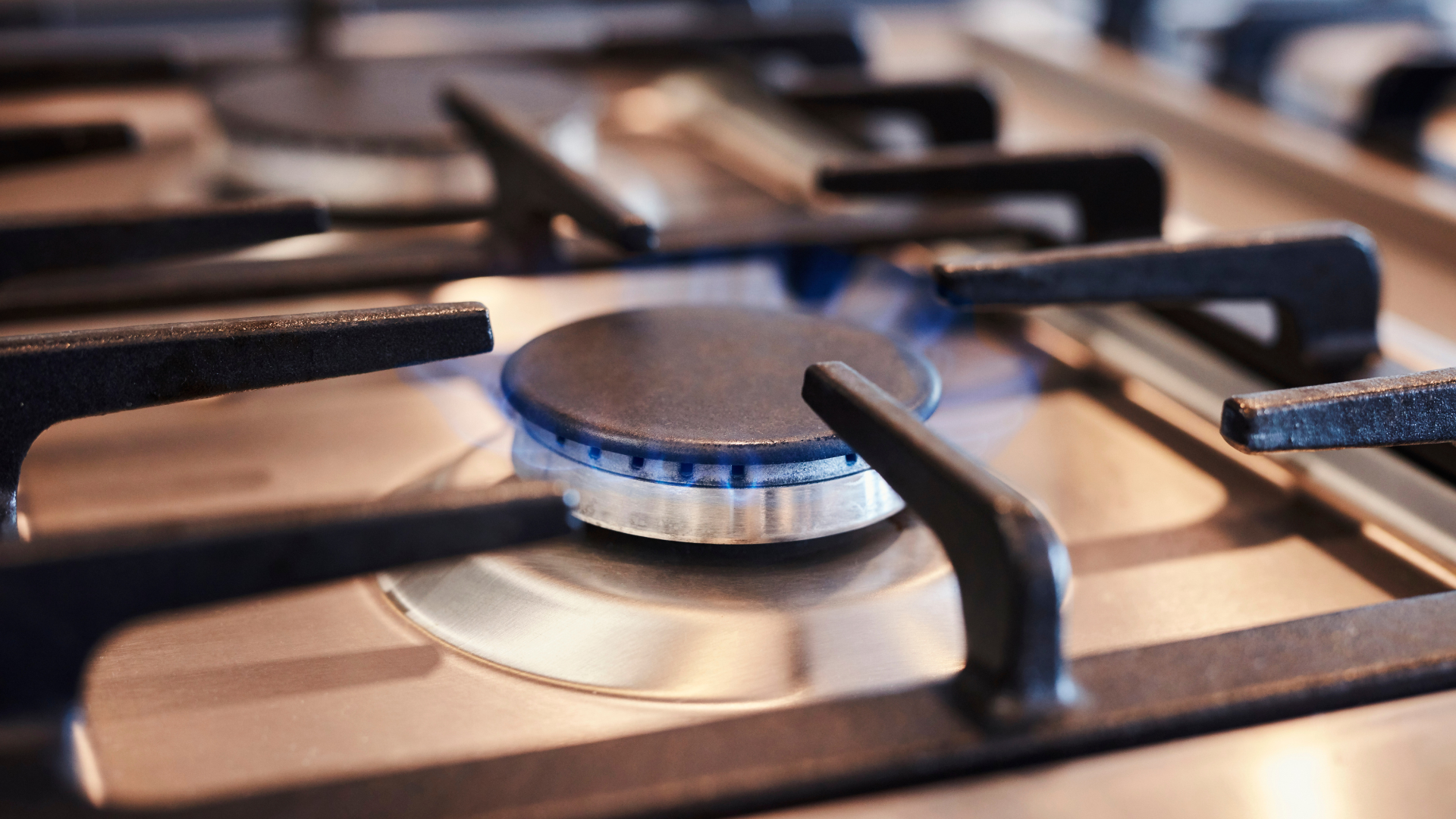
The United States Consumer Product Safety Commission (CPSC) is considering a ban on gas stoves due to the high levels of hazardous indoor air pollutants they produce.
Gas stoves are still a common household appliance used for cooking. However, gas stoves release carbon monoxide, fine particulate matter, and nitrogen dioxide into the air, which can cause respiratory diseases.
The use of gas stoves in American homes is to blame for more than 12% of all incidences of childhood asthma.
“There
According to the study, in homes with natural gas stoves, people experienced significantly higher levels of air pollution compared to homes with electric or induction cooktops.
Clinical Study Shows NO2 Levels Drop When Using Austin Air Purifiers
Austin Air was involved in a clinical trial at the renowned Johns Hopkins University to measure how changes around the home could reduce levels of Nitrogen Dioxide (NO2). Indeed, NO2 dropped significantly when gas stoves were replaced with electric ones. NO2 levels also dropped when Austin Air purifiers were used in the home.
In fact, Austin Air purifiers are proven to remove up to 99% of all airborne toxins as small as 0.1 microns and up to 99.97% of toxins as small as 0.3 microns—including VOCs and other harmful chemicals.
It remains to be seen if the CPSC will take any further action on this issue, but it’s clear our current reliance on gas stoves needs to be reassessed for the sake of our health and safety. If we must continue living with gas stoves—which is inevitable for the time being until any bans are rolled out—Austin Air purifiers are a viable measure to reduce exposure in the kitchen. And for the sake of our health, it’s something we can’t afford to live without.