As we age, our bodies change in ways we may not expect. Many of us know to stay active and eat a balanced diet to maintain physical and mental health, but we don’t often think about how aging affects our respiratory system and lungs.
In this blog post, we’ll look at how our lungs “age,” the respiratory health and risks of the aging population, and some strategies you can use to protect your respiratory health as you age.
How Your Lungs Age
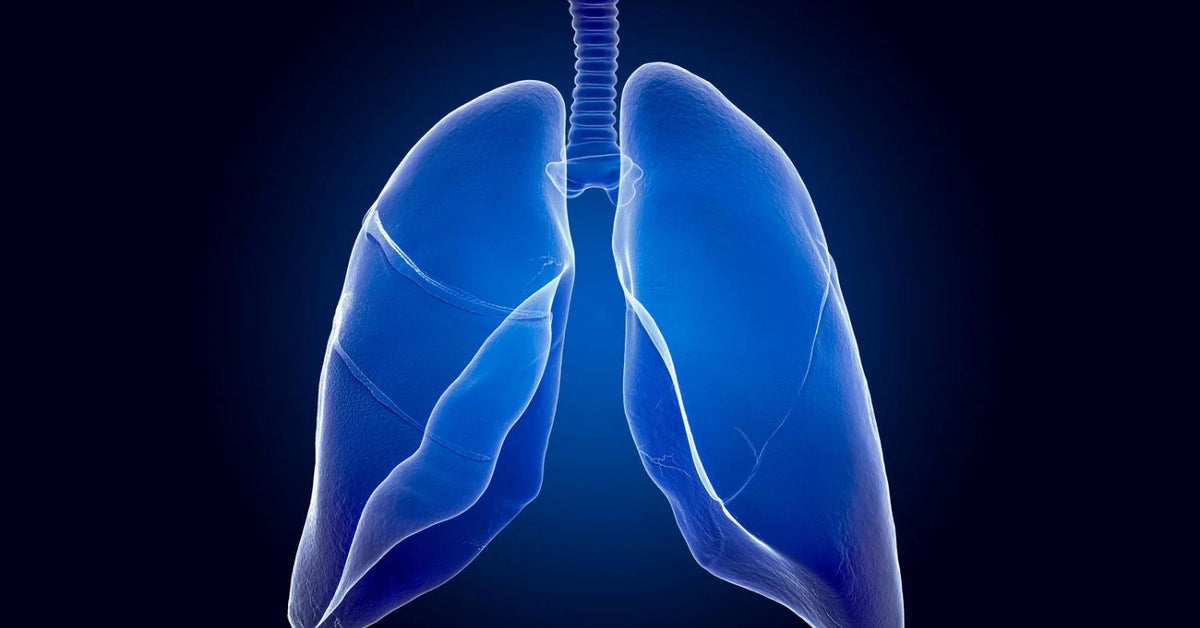
As we get older, our bodies naturally age, and our lungs are no exception. Over time, respiratory muscle strength decreases, making it harder to breathe. Ribcage bones change shape, making it harder to take deep breaths and exchange oxygen and carbon dioxide with ease.
The lungs’ airways become more prone to inflammation and obstruction—meaning they can become inflamed or blocked more easily than before. This can lead to difficulty breathing, coughing, and an increased susceptibility to respiratory infections such as pneumonia. Lastly, your lungs’ capacity for absorbing oxygen also diminishes with age. This means the body receives less oxygenated blood, which can result in fatigue and shortness of breath.
In short, as you age, your lungs do too—and the effects of this process can be difficult to manage. Air pollution can also take a toll on your lungs as you age. Older people are especially susceptible to the effects of air pollution due to their weaker lungs.
The Respiratory Risks of the Elderly
As we age, our lungs naturally lose some of their elasticity, making it more difficult for them to effectively exchange oxygen and carbon dioxide. This can make the elderly more susceptible to respiratory infections, exacerbating chronic conditions such as asthma, bronchitis, and COPD.
In addition to the age-related deterioration of the lungs, older adults are at an increased risk of developing pneumonia and other respiratory illnesses due to a weakened immune system.
Seniors in nursing homes, in particular, may be exposed to more airborne pollutants and allergens than those living in their own homes. Poor air quality within a nursing home can further aggravate respiratory problems, leading to increased hospitalizations and complications. The spread of infection is a major concern in nursing homes as well, as germs and viruses can easily travel from one resident to another.
Fortunately, steps can be taken to improve the respiratory health of seniors, especially in nursing homes. Air purifiers with true Certified HEPA Material filters are one of the best ways to reduce airborne particles, making it easier for seniors to breathe. Air purifiers can be used in common areas, such as lobbies and dining rooms, or in individual patient rooms.
In addition, smoking cessation programs and regular physical activity can help maintain lung health in aging adults. Finally, providing support for those struggling with mental health issues is important for overall respiratory health. With proper preventive measures, the risks of respiratory disease among the elderly can be reduced significantly.
A Quick Checklist to Protect Your Lungs as You Age
- Stop smoking. If you smoke, you’re damaging your lungs tremendously. The good news is that within just one month of stopping, lung function will begin to improve.
- Exercise, especially High-Intensity Interval Training. If your doctor OK’s it and your heart is healthy enough, get your heart rate to near-maximal capacity for short bursts of time—say, 20 seconds, then rest for two or three minutes, on repeat. You could sprint on a treadmill, use an exercise bike or elliptical, or even go up and down stairs. Whatever will get your heart rate to about 90% of your capacity. This will increase your oxygen capacity and counter age-related changes to your lungs. All it takes is a short 10-minute session once or twice a week.
- Move. Remember, there’s exercise, and then there’s movement. Simply moving around more will help your circulation and strengthen the lungs.
- Belly breathing. Breathe from your belly, not your chest. If you put one hand on your belly and your other hand on your chest, your belly should be expanding, not your chest. Regular belly breathing will strengthen your diaphragm, improve your ability to breathe (especially for those with asthma and COPD), and increase your ability to fight pneumonia or other infections.
- Use an air purifier with Certified HEPA Material and activated carbon. Air purifiers can be a great tool to help protect respiratory health, especially among the elderly. Air purifiers can remove bacteria and viruses from the air and protect our lungs from harm. They can also help with dust and allergens.
None of us likes getting older, but we can keep our lungs in much better shape with just a few small steps. These can lead to big changes in your respiratory health. Try one or two tips today!