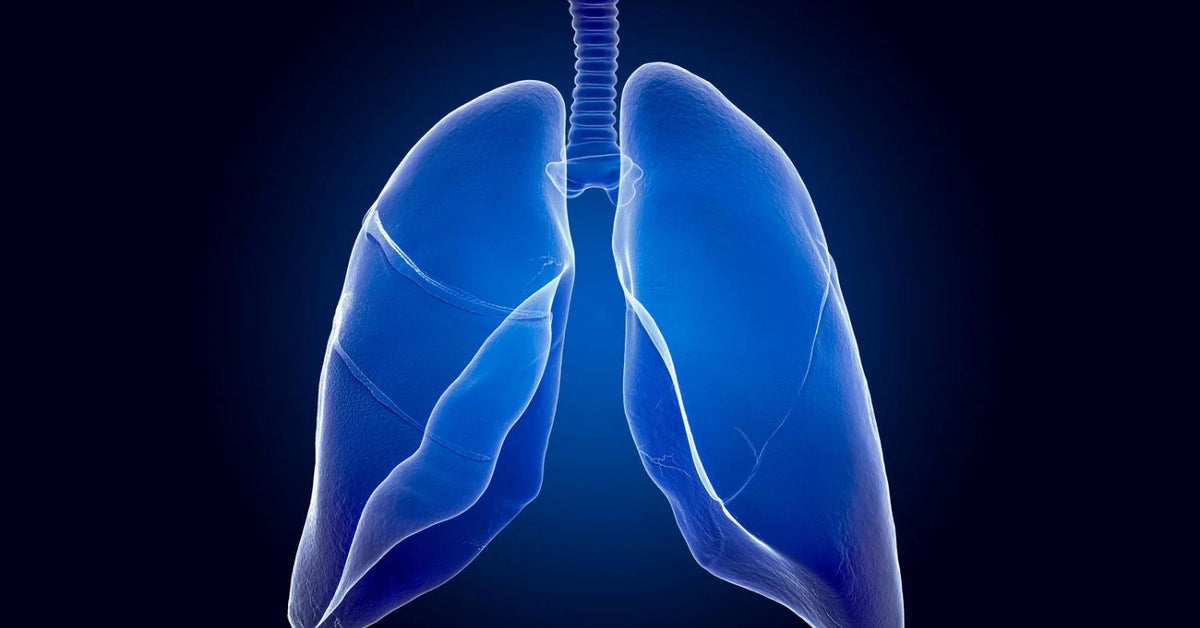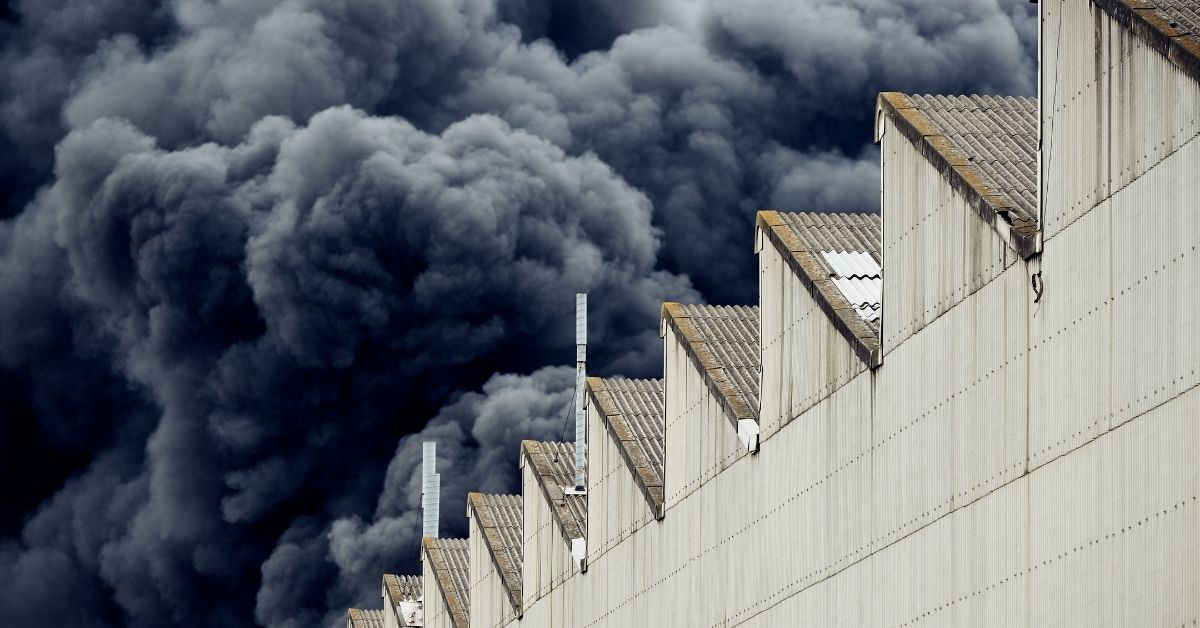
A new study, set to appear in the upcoming January issue of the journal Environmental Research, finds that long-term exposure to Black Carbon (BC) is associated with increased incidence of adult-onset asthma and Chronic Obstructive Pulmonary Disease (COPD).1 These findings add to a growing body of evidence that “soot”-type pollution contributes substantially to chronic respiratory disease risk.
Before we go further, we need to clarify that Black Carbon should not be confused with activated carbon, which has profound air and water filtration abilities. Activated carbon is a featured element of Austin Air Purifiers and Black Carbon is a pollutant that is removed from the air by our purifiers… more on that later.
The correlation between BC exposure and chronic respiratory issues is just the latest discovery to result from tracking health outcomes for thousands of nurses in Denmark that started in 1993. In this new analysis, researchers saw that those living in areas with higher BC exposure were more likely to develop new asthma or COPD—even after accounting for other air-pollution measures such as fine particulate matter (PM₂.₅). This suggests BC may represent a particularly harmful component of air pollution.
In this article, we’ll look at what the new research uncovered, what Black Carbon actually is, and why reducing exposure matters—not only for public health, but for the lungs we rely on every day. But first, let’s dig deeper into the source of these findings—the Danish Nurse Cohort.
Context: The Danish Nurse Cohort
The Danish Nurse Cohort (DNC), is a long-term, prospective cohort of Danish nurses that started in the 1990s and has continued for over two decades. Its design, which was modeled after the US Nurses’ Health Study, offers substantial strengths for epidemiological research.2
Because participants share similar educational background and job type, the cohort reduces some of the “noise” that can plague air-pollution studies like differences in socioeconomic status, access to care, or occupational exposures. This makes associations between environmental exposures and health outcomes more detectable.
Additionally, in this BC study, researchers used detailed models to estimate each nurse’s exposure based on where they lived over many years, rather than relying on just one point in time.
Of course, no study is perfect. Because this research is observational, it can show strong links between black carbon exposure and disease risk, but it can’t prove with absolute certainty that BC causes asthma or COPD. There may be other factors at play—such as lifestyle, indoor air quality, or genetics—that weren’t fully captured.
It’s also worth noting that the Danish Nurse Cohort includes only women ages 44 and older, all working in nursing. That means we can’t assume the results apply equally to men, younger adults, or people in other professions or regions. Still, the findings offer valuable insight into how long-term air pollution affects adult respiratory health.
All that said—given the long follow-up, careful exposure modeling, and consistency across pollutants—these findings (to be discussed next) carry considerable weight.

Black Carbon: An All-Too-Common Threat
Building on the strengths of the DNC, researchers analyzed nearly 29,000 nurses over more than 20 years, tracking who developed asthma or COPD for the first time in adulthood. By comparing long-term BC exposure at participants’ homes with their later health outcomes, the team was able to see clear patterns emerge.
What they found was striking: nurses who lived in areas with higher BC had a higher risk of developing asthma—and a similar, though slightly less certain, pattern appeared for COPD. Even relatively small increases in BC exposure were linked with measurable increases in new asthma cases over time.
This is significant because BC pollution isn’t a rare, niche threat—it’s a common byproduct of everyday activities. The black, soot-like material is created when fuels don’t burn completely—think diesel engines, traffic exhaust, wood stoves, industrial combustion, and wildfire smoke. BC particles are extremely small, falling within the PM₂.₅ size range.3
Importantly, BC is just one part of PM₂.₅ pollution, not the whole composition. PM₂.₅ is a mix of many particle types (dust, organic carbon, sulfates, nitrates, etc.). But BC—also known as elemental carbon or “soot”—is one of the most harmful components because it often carries toxic chemicals on its surface.
In fact, the researchers found that the association between BC exposure and chronic respiratory ailments held firm even when they controlled for other pollutants like PM₂.₅ and nitrogen dioxide (NO₂). In other words, BC seems to carry its own risk—not just as part of the broader PM₂.₅ mix—which suggests it may deserve more attention in air-quality policy and public health.
The study also indicated that some individuals may be more vulnerable than others. People with underlying health conditions or who were overweight showed stronger associations, hinting that BC exposure may hit certain populations harder.
From a health perspective, BC matters because of what happens after it enters the body. These ultra-fine particles can reach the small airways, irritate lung tissue, drive inflammation, and may even move into the bloodstream. Additionally, they are known to be carriers of harmful chemicals that can cause further health problems. Now, thanks to this study, there is crucial proof that repeated exposure over extended periods is linked to higher risk of respiratory conditions like asthma and COPD.
A Quick but Key Clarification: Black Carbon vs. Activated Carbon — They Are NOT the Same
As we mentioned in the introduction, Black Carbon and activated carbon are NOT the same. But, it’s easy to mix them up because the names sound similar. Let’s examine the ENORMOUS differences between BC (soot) and activated carbon (used in Austin Air filters).

So while BC is the harmful pollutant of concern, activated carbon is part of the solution—especially when paired with true medical-grade HEPA filtration, like in Austin Air purifiers, to help reduce indoor exposure to PM₂.₅ and BC-containing particles from outdoors. HEPA captures the tiny particles, while activated carbon adsorbs gases and chemicals often found alongside soot pollution.
Why These Findings Matter And What We Should Do
The new results from the Danish Nurse Cohort are more than just another data point—they help pinpoint what type of pollution is doing harm. Instead of treating “air pollution” as one broad category, this research highlights Black Carbon specifically as a contributor to adult-onset asthma and COPD. That clarity matters, because when we know the culprit, we can target it.
The study also demonstrates that long-term exposure can lead to respiratory disease even in a high-income country with relatively cleaner air. In other words, you don’t need to live near a highway, factory, or wildfire zone to be affected—everyday levels of soot pollution may still increase risk over time.
The encouraging news is that BC is something we can reduce. Cleaning up transportation systems, improving heating and cooking fuels, enforcing stricter emissions standards, and designing cities with cleaner air in mind all help cut BC at the source.
On the personal level, improving indoor air quality offers practical protection, especially when outdoor pollution makes its way inside. Austin Air Purifiers are the best solution on the market because our standard units feature over 60 square feet of true Medical-Grade HEPA capable of removing the tiny particles AND approximately 15 pounds of activated carbon and zeolite to soak up the fumes and chemicals that comes with the BC.
For public health professionals and policy-makers, these findings strengthen the case for air-quality standards that look not only at total PM₂.₅, but at the makeup of those particles. When BC is monitored and reduced, the payoff could be significant in lowering the burden of respiratory disease.

Final Thoughts and What Comes Next
This latest research from the Danish Nurse Cohort adds weight to something scientists have suspected for years: not all pollution is created equal. Black Carbon appears to be a particularly harmful piece of the air-pollution puzzle—one linked to real, measurable increases in adult respiratory disease.
No single study answers everything, and this one is no exception. These findings show association, not proof of causation, and the cohort represents a specific demographic. Future research will need to explore BC exposure in different countries, occupations, age groups, and lifestyles. But the consistency of the signal—across pollutants, across models, across years of follow-up—should inspire further research.
For now, the takeaway is clear: paying attention to BC could improve how we protect public health. That includes smarter policies focused on combustion emissions, better monitoring of particle composition, and steps individuals can take to reduce personal exposure—especially indoors, where we spend most of our time.
REFERENCES
1 Zhang J, So R, Bergmann M, et al. (2026 January 15). Long-term exposure to black carbon and incident asthma and chronic obstructive pulmonary disease in adults: The Danish Nurse Cohort. Envi Res. 289: 123357. doi: 10.1016/j.envres.2025.123357.
2 Simonsen MK, Heitmann BL, Danbjærg DB, et al. (February 2025). Cohort Profile Update: The Danish Nurse Cohort. Int Journ of Epidem. 54(1). doi: 10.1093/ije/dyae168.
3 Black Carbon Research And Future Strategies. (2011). U.S. Environmental Protection Agency Office of Research And Development. https://www.epa.gov/sites/default/files/2013-12/documents/black-carbon-fact-sheet_0.pdf.