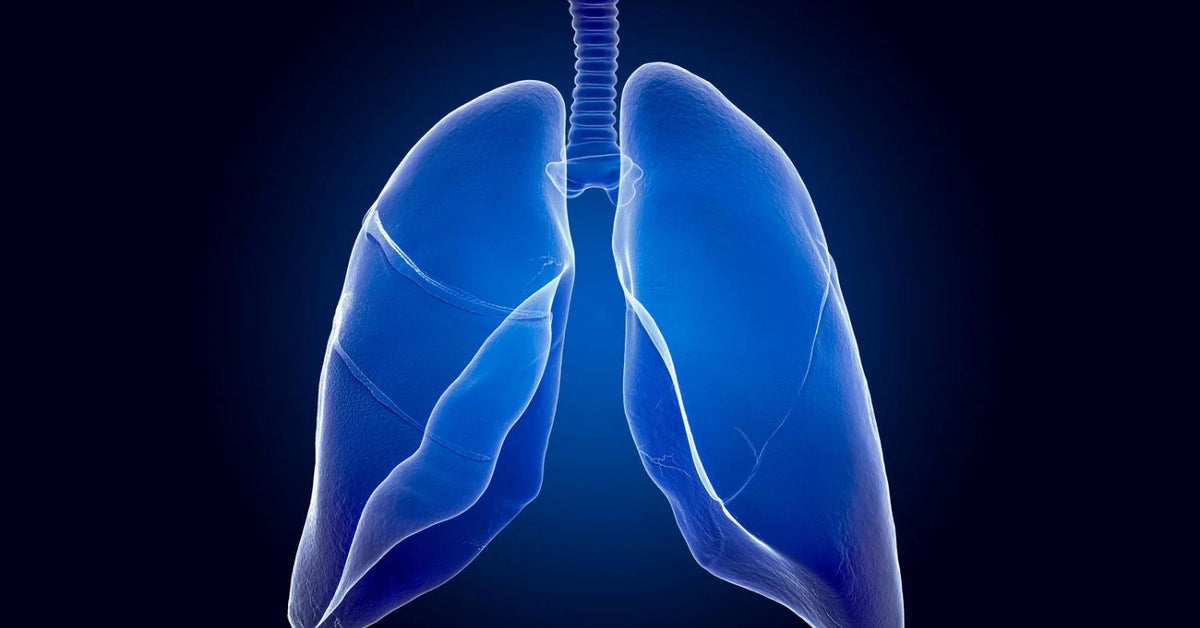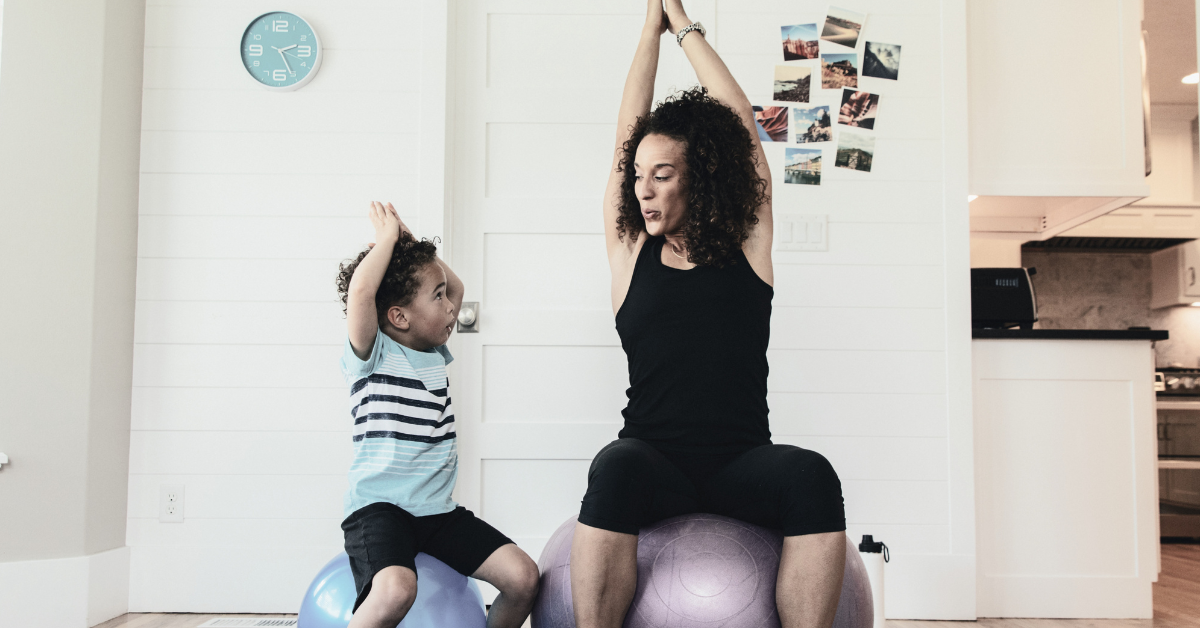
Here's a simple, science-backed guide to building stronger respiratory health—for you and your kids—before the season peaks.
KEY TAKEAWAYS
-
You have a head start, so use it. Cold and flu season in the U.S. usually builds through the fall and peaks between December and February—which makes late summer the ideal time to build resilience, not scramble for it.¹
-
Your defenses aren't fixed. Sleep, food, movement, and the air you breathe measurably change how easily you catch—and shake off—respiratory bugs.
-
Five levers you control starting today: Detox your home's air, protect sleep, feed the immune system, move every day, and switch to safer cleaners.
-
It's simple and family-friendly. No doctor's appointment or big budget required. Most of it you can do with your kids this week.
-
Cleaner indoor air ties it together. It's the backdrop to everything else—and where the free Parent-Teacher Toolkit and the 8-phase Immunity Machine come in.
Every year it arrives on schedule. The backpacks come out, the school doors open, twenty kids pile back into one room—and a few weeks later, the coughing starts. By the time the first cold runs through a household, most families are already playing defense: tissues, canceled plans, missed work, and missed school.
But here's the part that doesn't get enough attention. The weeks before all of that—right now, at the start of the school year—are the single best window you have to get ahead of it. Cold and flu season doesn't peak the day the bell rings. In the United States, respiratory-virus activity usually climbs through the fall and peaks somewhere between December and February.¹ That gap, between today and the thick of it, is time you can put to work.
Respiratory health isn't something you simply have or don't have. It's something you build—with sleep, food, movement, cleaner air, and a handful of everyday habits. And it's something you can build right alongside your kids, turning "getting ready for school" into "getting ready to stay well." Here is a simple, evidence-backed guide to what parents and teachers can start doing today.
Why start now instead of waiting until everyone's sick?
Think of your family's respiratory defenses like a savings account. Every night of good sleep, every colorful plate, every walk, and every hour of cleaner air is a deposit. When exposure spikes—and it will, the moment classrooms fill up and everyone moves back indoors—you want a balance built up, not an empty account.
The timing is on your side. Americans already spend about 90% of their time indoors, and indoor air can carry pollutant levels two to five times higher than the air outside.²
As the weather cools and windows close, that indoor time climbs and ventilation drops—right as viruses start circulating. Starting now, while the season is still quiet, means your kids' airways aren't already run-down when the first bug shows up. You're not reacting to the season. You're arriving ahead of it.
1. Start where they breathe most: a back-to-school home detox
Your child breathes more air relative to their body weight than you do, and they do most of that breathing at home. So the first move isn't a supplement—it's lowering the everyday load of dust, chemicals, and irritants in the rooms where they sleep and play. The goal isn't a hazmat suit. It's giving their airways a clean starting line, so they're not already inflamed and reactive when a virus arrives.
DO THIS WEEK
-
Take shoes off at the door. Tracked-in dirt carries pesticides, lead, and outdoor pollutants straight onto the floors where kids sit and play.
-
Ventilate a little every day. Open windows when the outdoor air is good, and run kitchen and bathroom exhaust fans to move stale, humid air out.
-
Cut clutter and dust. Dust holds allergens and chemical residues; damp-dusting and vacuuming with a sealed HEPA vacuum removes them instead of stirring them into the air.
-
Retire the synthetic air fresheners. Plug-ins, sprays, and scented candles add volatile organic compounds (VOCs) to your air (more on this below).
-
Watch the humidity. Keeping indoor humidity roughly between 30% and 50% discourages both mold and dust mites.
-
Filter the air in the rooms that matter most. Once mold spores, allergens, smoke, and fine particles are airborne, a true HEPA air purifier is built to capture them—especially in bedrooms, where kids spend the most continuous hours.
2. Protect sleep—the most underrated immune booster there is
If you do only one thing on this list, make it sleep. In a landmark study, healthy adults who slept fewer than six hours a night were about four times more likely to catch a cold after being exposed to a cold virus than those who slept seven hours or more—an effect that held up even after accounting for age, stress, and other factors.³
Sleep is when the immune system does its housekeeping, and kids need even more of it than adults.
The American Academy of Sleep Medicine recommends 9 to 12 hours per night for children 6 to 12 years old, and 8 to 10 hours for teens 13 to 18.⁴ Summer schedules almost never hit those numbers, which is exactly why the weeks before school are the time to reset.
DO THIS WEEK
-
Walk bedtimes back gradually. Shifting bedtime 15 minutes earlier every few days now beats a jarring jump the night before school starts.
-
Lock in a schedule. A consistent sleep and wake time—even on weekends—is one of the strongest signals for healthy sleep.
-
Protect the wind-down. Screens off at least 30–60 minutes before bed; keep bedrooms cool, dark, and quiet.
-
Clean the air they sleep in. Cleaner, quieter bedroom air helps kids fall asleep and stay asleep—one more reason the purifier belongs where they sleep.
3. Feed the defense: nutrition that actually moves the needle
There's no magic immune-boosting food—and anyone promising one is overselling it. What the evidence supports is steadier and more reassuring: a varied, plant-rich diet supplies the vitamins and minerals immune cells need to grow and work, while fiber feeds the gut microbiome that helps train the immune system.⁵ Micronutrients like vitamin C, vitamin D, zinc, and protein all play supporting roles.
Vitamin D is worth a special mention as the days shorten. A large analysis of clinical trials found that regular vitamin D supplementation reduced the risk of acute respiratory infections by about 12% overall—and far more in people who started out deficient.⁶
Many kids run low on vitamin D in the darker months, so it's a good one to raise with your pediatrician.
DO THIS WEEK
-
Add a fruit or vegetable to every meal. Aim for color and variety across the week—different produce delivers different nutrients.
-
Feed the gut. Yogurt, beans, whole grains, and other fiber-rich foods feed the beneficial gut microbes tied to immune health.
-
Cook together. Kids who help chop, stir, and choose are far more likely to actually eat it.
-
Hydrate. Water over sugary drinks; a well-hydrated body clears irritants and keeps airway defenses working.
-
Check in with your pediatrician. Especially heading into winter, ask about vitamin D for your child rather than guessing.
4. Move every day—the free immune tune-up
Regular, moderate movement is one of the most reliable ways to spend fewer days sick. In a study of more than 1,000 adults tracked through the fall and winter, those who exercised five or more days a week had 43% fewer days with an upper-respiratory infection than those who were largely sedentary—and when they did get sick, their symptoms were milder.⁷
Physical activity helps circulate immune cells so they can do their job.
Kids need about 60 minutes of activity a day, and the back-to-school stretch—before homework and early darkness take over—is the perfect time to build the habit as a family.
DO THIS WEEK
-
Make movement social. A daily family walk after dinner is enough to count—no gym required.
-
Build it into the commute. If it's safe and practical, walking or biking to school stacks activity onto the day automatically.
-
Get outside while you can. Outdoor time adds fresh air and natural light (and a little vitamin D) before the daylight shrinks.
5. Switch to safer cleaners—before the big back-to-school scrub
Late summer is when a lot of families deep-clean the house for the new year. It's also the perfect moment to rethink what you're cleaning with. In a Canadian study that followed more than 2,000 children, those who lived in homes with frequent use of cleaning products as infants were more likely to have asthma (7.9% vs. 4.8%) and recurrent wheeze (10.8% vs. 7.7%) by age three. The biggest culprits were scented and aerosolized products—air fresheners, plug-in deodorizers, dusting sprays, hand sanitizers, and oven cleaners.⁸
The American Lung Association notes that many cleaners and disinfectants release VOCs and fragrances that can irritate the eyes, nose, throat, and lungs—and can trigger asthma symptoms.⁹
You don't need a perfectly clean-green home; you need a few smarter defaults.
DO THIS WEEK
-
Choose fragrance-free, low-VOC products. Simpler ingredient lists mean fewer irritants in the air your family breathes.
-
Skip the aerosols. Liquids, wipes, and squirt bottles keep far fewer fine droplets airborne than aerosol sprays.
-
Ventilate while you clean. Open a window or run a fan while you clean, and never mix bleach with ammonia or other cleaners.
-
Let kids pitch in safely. A microfiber cloth and water handles a surprising amount and gives kids a safe way to help.
Don't forget the basics that still win
The oldest advice is still some of the best. Handwashing alone reduces respiratory illnesses like colds in the general population by an estimated 16–21%.¹⁰ Teach kids to scrub for a full 20 seconds, cover coughs and sneezes, and stay home when they're sick so the whole classroom isn't exposed. And if an annual flu shot is right for your family, late summer or early fall is the usual time to talk with your provider about it.
Clean the air they can't control—all day long
Here's the thread running through everything above: your kids spend their days in two places—home and the classroom—and in both, the air is largely out of their hands. A child can't open a window in a crowded room or filter out the dust, VOCs, and virus-laden particles circulating around thirty other kids. That's the one exposure where a serious air cleaner earns its place.
The Austin Air Immunity Machine was built for exactly this season. Its 8-phase filtration pairs Medical Grade HEPA—proven to remove 99% of airborne particles down to 0.1 microns*—with a deep bed of activated carbon and zeolite that adsorbs gases, VOCs, and odors. No ozone, no gimmicks, just mechanical filtration doing the work.
Austin Air is backed by more independent, peer-reviewed clinical research than any other portable air-purifier brand, including studies at institutions like Johns Hopkins and Cincinnati Children's Hospital, and its filters are engineered to run for years rather than months.¹¹ Every unit is handcrafted and Built in Buffalo.
We'll always be straight with you about what an air purifier can and can't do. It does not treat, cure, or prevent any illness, and it's no substitute for handwashing, sleep, good food, or fixing a moisture problem. What it does is reduce the airborne particles—including allergens, smoke, chemical particles, and fine virus-carrying droplets—that circulate through the rooms where your family sleeps and learns. It's one sensible layer in the plan, not the whole plan.
Bringing it into the classroom
Your home is the part you control directly. The classroom takes a few more voices—and there's a free resource built to help. Many schools still own Austin Air units purchased during the pandemic; the Immunity Machine filter drops right into those existing housings to put them back to work. And if your school has no clean-air plan at all, the free Parent-Teacher Toolkit hands you everything you need to start the conversation: plain-language research, customizable email templates for principals and school boards, fundraising help for PTAs, a petition, and "See Air Differently," a free virtual assembly program for students. You don't need a science degree to advocate for the air your kids breathe six hours a day—you just need the facts, which the toolkit provides.
YOUR START-THIS-WEEK CHECKLIST
-
Detox the home: shoes off at the door, ventilate daily, cut the dust, retire synthetic fragrances, and filter bedroom air.
-
Reset sleep: walk bedtimes back toward 9–12 hours (ages 6–12) or 8–10 hours (teens) before school starts.
-
Feed the defense: a fruit or veggie at every meal, fiber for the gut, and a vitamin D check with your pediatrician.
-
Move daily: 60 minutes a day, made social and built into the school commute.
-
Switch cleaners: fragrance-free, no aerosols, ventilate while cleaning.
-
Keep the basics: 20-second handwashing, cover coughs, stay home when sick.
You can't wrap the world in bubble wrap, and you shouldn't try. But you can walk into this school year with the deck stacked in your family's favor—better rested, better fed, moving more, breathing cleaner air, in a home that's working with their lungs instead of against them. Cold and flu season is coming either way. The only question is whether it finds your family ready. Start this week. That's the Impact of Austin.
Frequently asked questions
When should I start preparing my family for cold and flu season?
Now. Respiratory-virus activity in the U.S. usually builds through the fall and peaks between December and February, so the late-summer, back-to-school weeks are the ideal runway to build up sleep, nutrition, movement, and cleaner-air habits before exposure spikes.¹
What's the best way to boost my child's immune system before school?
There's no single magic food or supplement. The evidence points to the fundamentals working together: adequate sleep, a varied plant-rich diet, daily movement, cleaner indoor air, and simple hygiene like handwashing.³ ⁵ ⁷ ¹⁰
Do air purifiers help with colds and the flu?
An air purifier can't prevent, treat, or cure an infection. What a true HEPA purifier does is capture airborne particles—including allergens, smoke, and fine virus-carrying droplets—reducing what circulates in the rooms where your family spends the most time. Think of it as one layer alongside sleep, nutrition, movement, and hygiene.
How much sleep does my child actually need?
The American Academy of Sleep Medicine recommends 9 to 12 hours per night for children 6 to 12 years old and 8 to 10 hours for teens 13 to 18.⁴
Are "green" or fragrance-free cleaners really better for my kids' lungs?
Research links frequent use of conventional cleaning products in early childhood to higher rates of asthma and wheeze, with scented and aerosol products among the worst offenders. Choosing fragrance-free, low-VOC products, skipping aerosols, and ventilating while you clean are sensible ways to lower the load.⁸ ⁹
References
¹ Centers for Disease Control and Prevention. (n.d.). Flu season. https://www.cdc.gov/flu/about/season.html
² U.S. Environmental Protection Agency. (n.d.). The inside story: A guide to indoor air quality. https://www.epa.gov/indoor-air-quality-iaq/inside-story-guide-indoor-air-quality
³ Prather, A. A., Janicki-Deverts, D., Hall, M. H., & Cohen, S. (2015). Behaviorally assessed sleep and susceptibility to the common cold. Sleep, 38(9), 1353–1359. https://pubmed.ncbi.nlm.nih.gov/26118561/
⁴ American Academy of Sleep Medicine. (n.d.). Recommended amount of sleep for pediatric populations. https://aasm.org/advocacy/position-statements/child-sleep-duration-health-advisory/
⁵ Harvard T.H. Chan School of Public Health. (n.d.). Nutrition and immunity. The Nutrition Source. https://nutritionsource.hsph.harvard.edu/nutrition-and-immunity/
⁶ Martineau, A. R., Jolliffe, D. A., Hooper, R. L., Greenberg, L., Aloia, J. F., Bergman, P., Dubnov-Raz, G., Esposito, S., Ganmaa, D., Ginde, A. A., Goodall, E. C., Grant, C. C., Griffiths, C. J., Janssens, W., Laaksi, I., Manaseki-Holland, S., Mauger, D., Murdoch, D. R., Nair, P., … Camargo, C. A., Jr. (2017). Vitamin D supplementation to prevent acute respiratory tract infections: Systematic review and meta-analysis of individual participant data. BMJ, 356, i6583. https://www.ncbi.nlm.nih.gov/books/NBK536320/
⁷ Nieman, D. C., Henson, D. A., Austin, M. D., & Sha, W. (2011). Upper respiratory tract infection is reduced in physically fit and active adults. British Journal of Sports Medicine, 45(12), 987–992. https://pubmed.ncbi.nlm.nih.gov/21041243/
⁸ Parks, J., McMullen, E., Bérubé, D., et al. (2020). Association of use of cleaning products with respiratory health in a Canadian birth cohort. CMAJ, 192(7), E154–E161. https://www.cmaj.ca/content/192/7/E154
⁹ American Lung Association. (n.d.). Cleaning supplies and household chemicals. https://www.lung.org/clean-air/indoor-air/indoor-air-pollutants/cleaning-supplies-household-chem
¹⁰ Centers for Disease Control and Prevention. (n.d.). Handwashing facts. https://www.cdc.gov/clean-hands/data-research/facts-stats/index.html
¹¹ Austin Air Systems. (n.d.). Clinical trials. https://austinairsystems.com/pages/clinical-trials
- Proven to remove 99% of airborne particles down to 0.1 microns. Austin Air purifiers are not medical devices and are not intended to diagnose, treat, cure, or prevent any disease. This article is for general educational purposes and is not medical advice; consult a healthcare provider about your family's health needs.
Last updated Aug 14, 2026