Dementia is a term used to describe a group of diseases that affect a person’s memory or thinking skills. Alzheimer’s is the most common form of dementia and accounts for up to 80% of dementia cases. Vascular dementia is another form of dementia that develops after a person has suffered a stroke.
Symptoms of dementia can vary. However sufferers will always have some or all of the following problems, difficulty remembering people and events, problems with communication and language, difficulty remaining focused and paying attention, diminished reasoning and judgment and hallucinations or problems with other visual perceptions. Often symptoms start slowly and progressively worsen over time.
There is no one cause for dementia. But rather many factors that can increase a person’s risk of developing the disease. Age is the biggest risk factor. Dementia is not a normal part of aging, however the older we are, the greater our risk of developing the disease. Genetics also has a part to play, if other members of the family have suffered with dementia, this can also increase risk.
In recent years there has been growing evidence to suggest that exposure to airborne pollutants is also associated with dementia. In one study from London, results show that exposure to pollutants such as Nitrogen Dioxide and PM 2.5 significantly increase the chances of a person developing Alzheimer’s. In another study from Ontario, people living close to major roads were also at increased risk of developing Alzheimer’s.
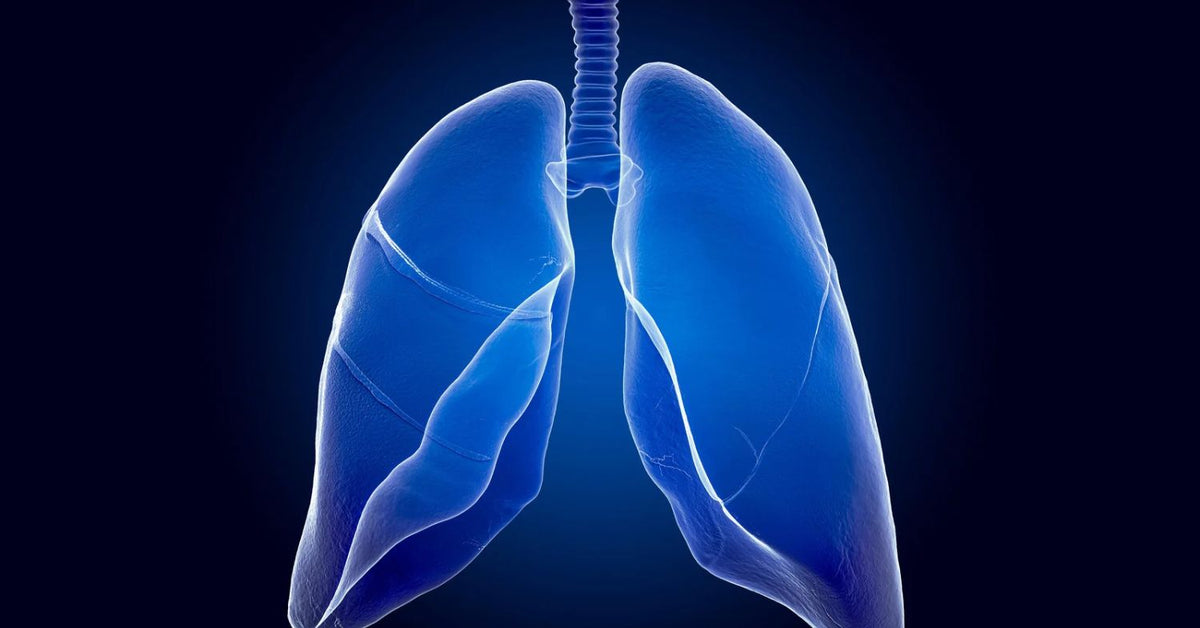
So how are pollutants in the air affecting our memory and attention span? Tiny particles, smaller than 2.5 micrometers are inhaled into the lungs. These particles are so small, they pass through the lining of the lungs and enter the bloodstream. Once in the bloodstream, they can cause inflammation in all parts of the body, including the brain. It is this inflammation in the brain that heightens our risk of developing diseases such as dementia.
You may feel like your fate is already sealed, particularly if there is a family history of dementia, or you have lived in a heavily polluted area for any length of time. However, new evidence suggests this is not the case. A number of reports, recently presented at the Alzheimer’s Association International Conference (AAIC), claim that certain lifestyle choices can significantly reduce the dementia risk. Regular exercise, a low-fat diet, not smoking, limited alcohol consumption and engaging in activities that help to keep the brain active, can all lower the risk of developing dementia by as much as 60%. Even opting for one of these options can reduce risk by 22%. If you’d like to read more about reducing your dementia risk click here.
And if you would like to lower your risk further, by reducing your exposure to airborne pollutants, you may want to consider investing in an air purifier. All our units are designed to remove PM 2.5 and Nitrogen Dioxide, the pollutants known to increase the dementia risk. For more information on our range of air purifiers, and what they can do to improve your health and wellbeing visit our SHOP.