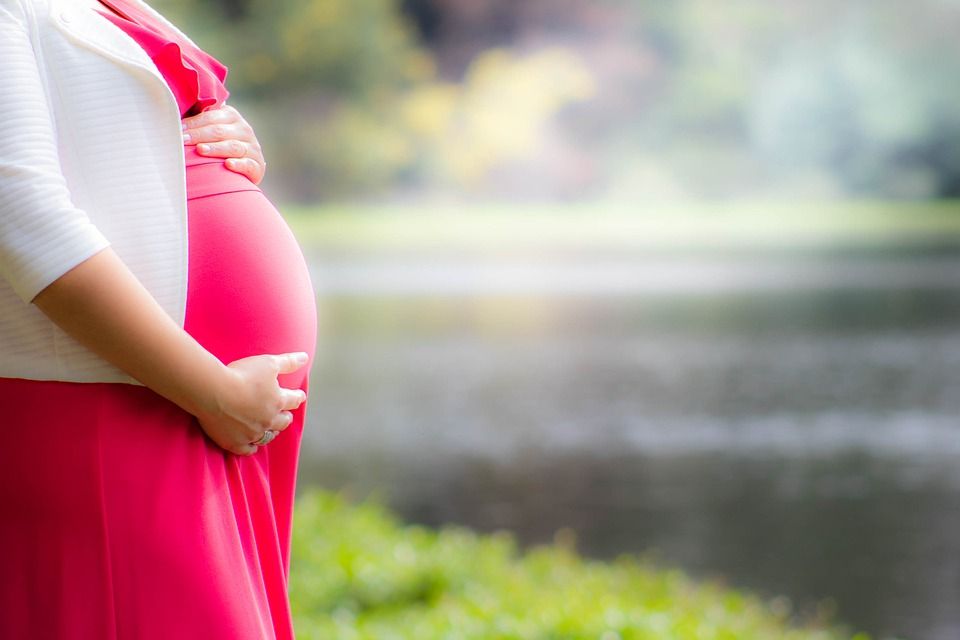
Last month, three studies were published highlighting the risks for pregnant women exposed to air pollution. This month, another study uncovers further threats.
A team from the University of Colorado Anschutz Medical Campus found that pregnant women living close to oil and gas wells, particularly those with intense activity, increased their risk of having a child with a congenital heart defect, by as much as 70%.
Congenital heart defects affect the heart’s structure and therefore the way blood is pumped through the heart. Sometimes blocking the blood supply completely. It is the most common type of birth defect and the leading cause of death among infants with birth defects.
At present there are around 17 million people living close to an extraction site in the US. And with evidence to suggest that heart defects can develop after just one environmental exposure, it is very likely there are huge numbers of pregnant women currently at risk.
This latest study is just one of many that demonstrates, whatever is happening to mom, is happening to baby. Pollutants pass through the placenta, increasing the risk of premature birth, low birth weight and miscarriage.
If you’re planning for baby’s arrival, there are certain steps you can take to protect your health and the health of your baby. Stay healthy during your pregnancy. Follow a healthy diet, stay active, avoid alcohol and tobacco. Stay up to date with your prenatal check-ups. Keep an eye on air quality where you live. On days when pollutants are high, try to avoid spending too much time outdoors. If you live close to a busy road, ensure windows and doors remain shut. Consider investing in an air purifier. Our range of air purifiers remove all pollutants from the home, including chemicals, gases, allergens, VOC’s, viruses and bacteria. For more info on our products and what they can do to keep you and baby safe, visit our SHOP page here.
Protect your baby now, to ensure they are healthy at birth and beyond.