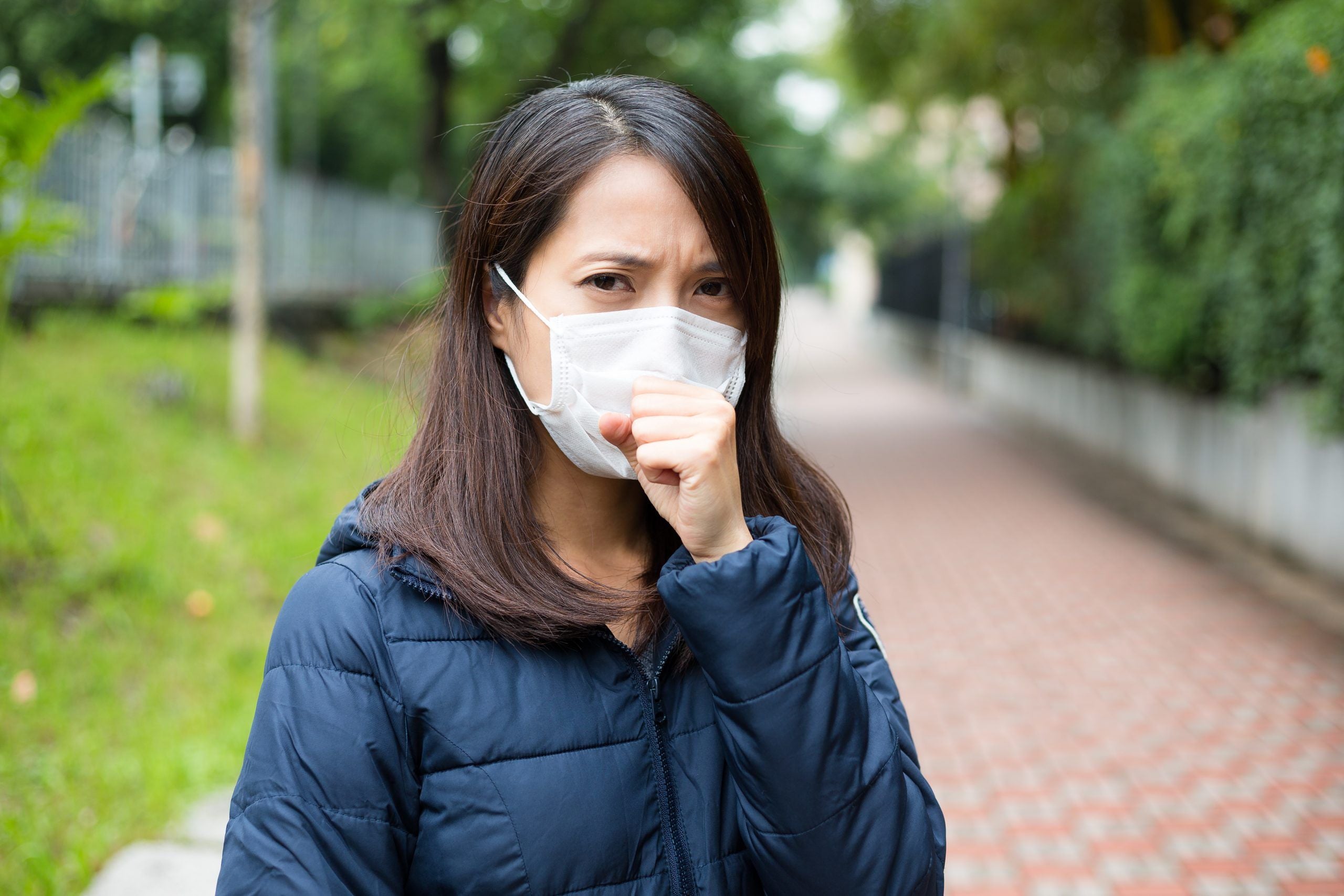
We have known for some time that exposure to air pollution can increase the risk of a person having a stroke. Researchers from Harvard University’s T.H. Chan School of Public Health have been investigating this theory further. They found that exposure to smog, a dangerous mix of sunshine, ground level ozone and vehicle emissions can increase the risk of a certain type of stroke, known as an intracerebral hemorrhage. This kind of stroke accounts for about 10% of all strokes and occurs when a weakened blood vessel ruptures into the surrounding brain.

Between 40,000 and 67,000 of Americans suffer from an intracerebral hemorrhage every year. Many people die and of those that survive, very few make a full recovery.

People with pre-existing conditions or a history of strokes need to take extra care. According to the experts, we should use a face mask in heavily polluted areas. And to keep the air indoors safe and pollution free, they recommend using an air purifier.

For more on how air pollution can increase the risk of a stroke click HERE.

And if you are concerned about the quality of air in your home and are looking for ways to reduce your risk, take a look at our range of products HERE.
Latest Stories

View all

Two white ventilation grilles mounted high on adjoining walls, with a small blue house icon in the bottom-left corner.

The Furnace Just Kicked On. Here’s What the First Heat of the Season Puts in the Air You Breathe

Part 2 of our Healthy Lung Month series. The windows close, the heat comes on, and the air inside your home changes overnight. What that burning smell means, the gas you can’t smell at all, and a first-cold-night checklist for...

Read more

Illustration of human lungs and the trachea, shown in blue against a dark background.

I Never Smoked. Can I Still Get Lung Cancer? What New Science Says About the Air You Breathe

October is Healthy Lung Month. Most lung health advice still starts and ends with "don’t smoke." New research on people who never smoked points to something else that matters: the air we breathe every day, much of it indoors. KEY...

Read more

A woman with a cold or flu symptoms, holding a tissue to her nose while sitting beside a window on a cold winter day. The image has a cool, muted blue-grey tone.

Cold, Flu and COVID Season: A Home Air Checklist

Windows are closing, the furnace is coming on, and respiratory viruses are starting to circulate. Here's what to do, and what not to do, to keep colds, flu, and COVID from moving through your house this fall. Key Takeaways The...

Read more

Powered by Omni Themes