For the first time, a study from the American Thoracic Society looks at the effects of air pollution right across the country. Using data from 40 MILLION hospital visits across over 800 counties, the team could clearly see an increase in ER visits when pollution levels were high.
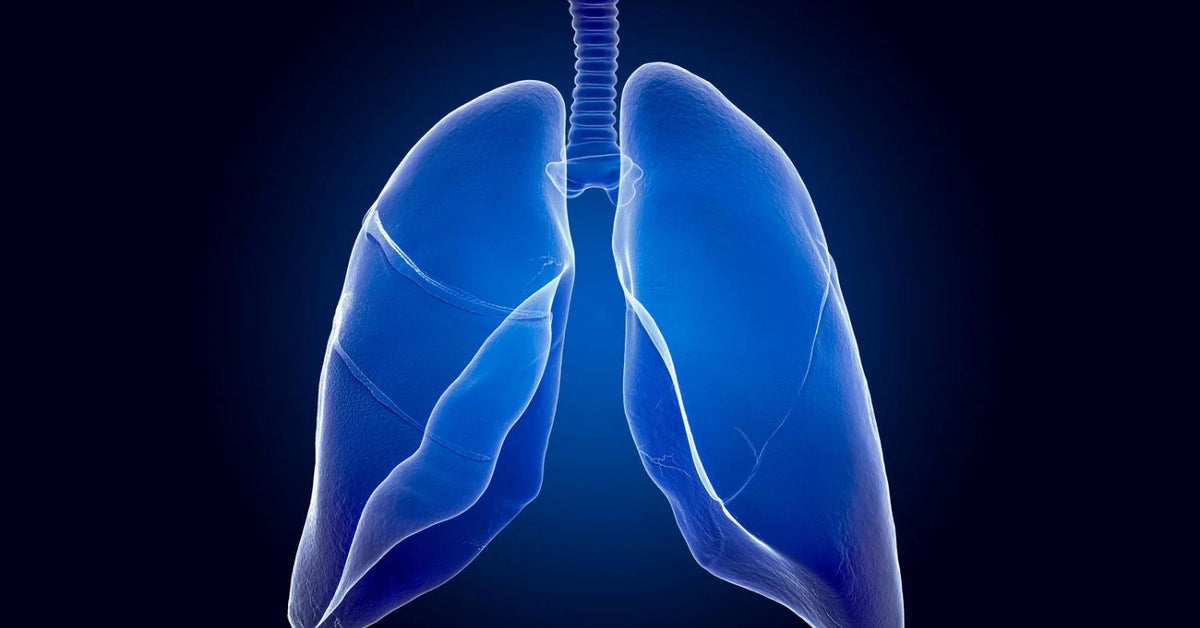
The study focused on the two major types of pollution in US cities, Ground Level Ozone, the main component of smog and Fine Particulate Matter (PM2.5). There are numerous studies to show how PM2.5 and Ozone can impact our health. They cause coughing, irritation in the throat and chest. They can aggravate asthma and other respiratory diseases such as emphysema and bronchitis. They can also cause inflammation in the lungs and damage lung tissue, sometimes permanently. And they also reduce the immune system’s ability to fight off bacterial infections.
The participants in the study were divided into three groups according to age, children under the age of 19, adults under the age of 69 and adults over the age of 69. It was clear that as pollution levels rise, visits to the ER rise too. But in this study the team found that certain types of pollution affect certain age groups more than others. For example, adults under the age of 65 were most affected by high levels of Ozone, in particular adults with asthma, acute respiratory infections, COPD and pneumonia. Whereas children were most affected when PM2.5 levels were high, visiting the ER with asthma, acute respiratory infections and pneumonia.
This latest study supports the many others that have come before it. We know that by removing pollutants from the environment we can improve our respiratory health.
Study after study support the fact that air pollution has a huge effect on all aspects of our health and wellbeing. It affects our hearts, our brains, our respiratory system and our immune system. Yet still pollution levels remain dangerously high in many parts of the world. How many more studies do we need? How much more proof is required before real changes are implemented and air pollution is dealt with once and for all?