Air pollution affects us all, however children, in particular very young children, bear the real brunt of the air pollution burden. According to the WHO, more than 90% of the world’s children breathe toxic air every day. Air pollution affects fetal development, brain development, increases the risk of asthma and respiratory illness. Children exposed to air pollution early on also have an increased risk of developing chronic diseases, such as vascular disease, later in life.
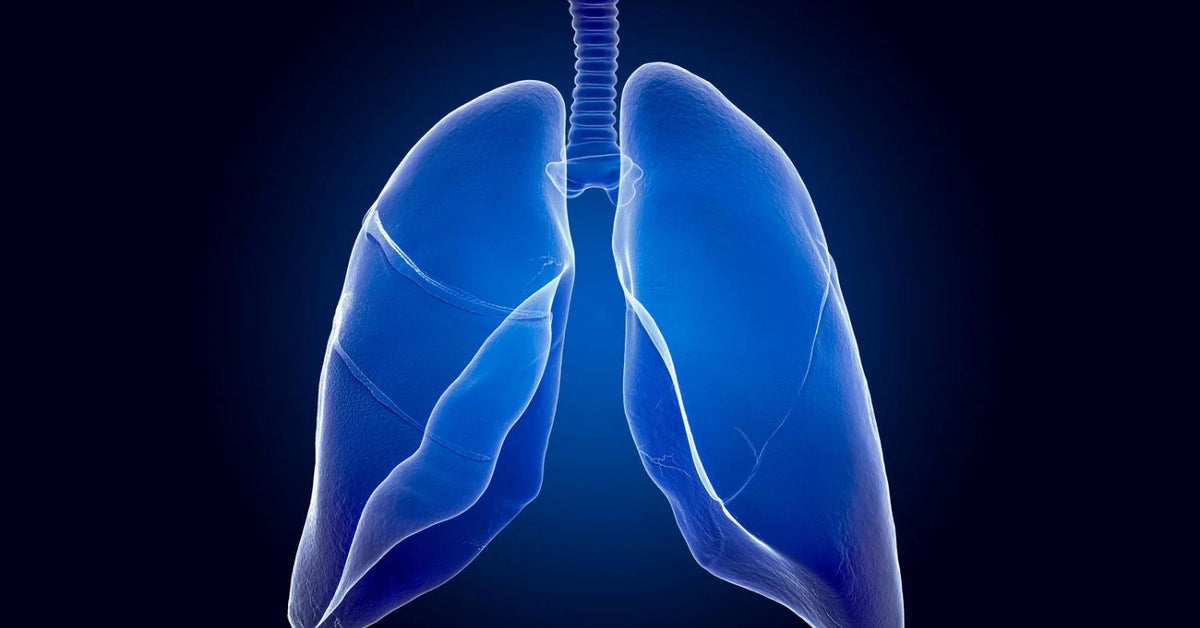
There are a number of reasons children feel the effects of air pollution more than adults. Their lungs are still developing, so do not repair in the same way developed adult lungs can. Children are smaller and therefore closer to the ground, where pollution levels from vehicles are higher. And children breathe faster, so they inhale more air and more pollution than adults do.
If we are to protect children from the dangers of air pollution, change needs to happen on a grand scale. At a recent Global Conference on Air Pollution and Health, the WHO summarized the changes needed. These include education, to help people better understand how to reduce exposure to air pollution. All countries must opt for cleaner, greener sources of energy. Power from fossil fuels such as coal and gas needs to be phased out. Many countries also need to improve waste management. Waste needs to be disposed of safely, not burnt, as is so often the case in poorer communities. Schools and buildings frequently used by children should be built away from busy roads and industry, to ensure exposure to air pollution is kept to a minimum.
There is no doubt, the task ahead is colossal. Particularly for the world’s poorest countries where air pollution is off the scale and resources are limited. But the good news is it’s not too late. Changes we make now will make a difference. Changes we make now will save lives.
For more on what the WHO is saying, follow this link.