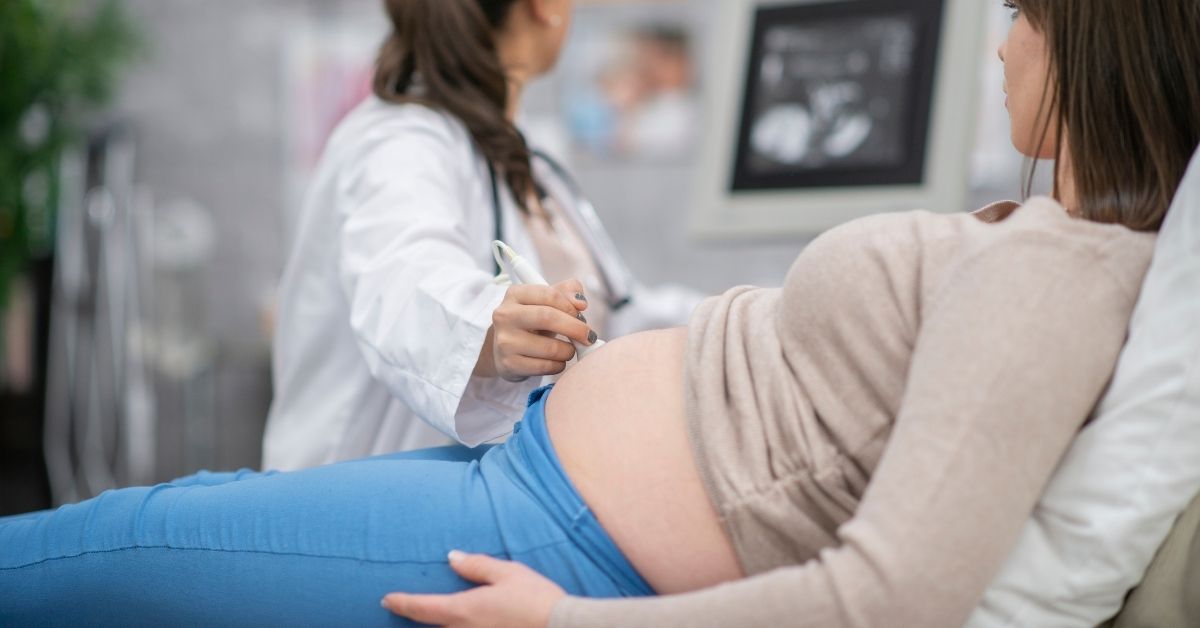
Each year on January 23, Maternal Health Awareness Day calls national attention to the health, safety, and well-being of mothers before, during, and after pregnancy. First recognized nationally in 2021 and led by the American College of Obstetricians and Gynecologists (ACOG), the day highlights the urgent need to protect maternal health through education, research, and action.
This year’s theme — “Holding Ground on Maternal Health” — emphasizes progress made and the work that remains to ensure healthier outcomes for mothers and babies alike.
This year, Austin Air is marking Maternal Health Awareness Day by reaffirming our long-standing commitment to raising awareness about the role air quality plays in maternal and infant health. Our past blog articles on the topic have often centered on protecting babies, but today’s growing body of evidence makes clear that safeguarding maternal health is inseparable from safeguarding infant health.
Now, on Maternal Health Awareness Day, we are expanding that lens.
Why Pregnancy Increases Vulnerability to Air Pollution
Pregnancy is a period of profound physiological change. To support a developing fetus, a pregnant woman’s body undergoes shifts in immune function, cardiovascular demand, and more. While these changes are essential for a healthy pregnancy, they may also increase vulnerability to environmental stressors like air pollution.
Researchers increasingly point to inflammation, oxidative stress, and immune dysregulation as key mechanisms linking air pollution exposure to adverse maternal outcomes. When pollutants are inhaled, they don’t simply affect the lungs; they can trigger systemic responses that circulate throughout the body, including the placenta. Recent studies help explain why minimizing exposure during pregnancy matters for birth outcomes and maternal health.
How Air Pollution Influences Inflammation During Pregnancy
A November 2024 study published in Science Advances examined how exposure to fine particulate matter (PM2.5) affects pregnant women at the single-cell level. Rather than focusing solely on birth outcomes, researchers analyzed immune and inflammatory responses in pregnant women and their fetuses to better understand the biological mechanisms at work.1
The study found that PM2.5 exposure can alter histone modification profiles in pregnant women, disrupting the regulation of cytokine genes. Put more simply, cytokines help control the body’s immune and inflammatory responses. When their balance is disrupted, it can lead to chronic or excessive inflammation.
In pregnancy, elevated inflammation has been linked to a range of maternal health complications, including:
-
Hypertensive disorders such as preeclampsia
-
Increased cardiovascular strain
-
Placental dysfunction
Because pregnancy already requires careful immune regulation to support fetal development, added inflammatory stress from air pollution may place additional strain on the mother’s body during a critical period. Inflammation and immune disruption may be one of the pathways by which air pollution is connected with adverse pregnancy outcomes.
The researchers emphasized prevention as a key takeaway: minimizing air pollution exposure during pregnancy could help protect maternal and fetal health, with both policy-level air quality improvements and individual exposure-reduction strategies playing an important role.

Additional Maternal Health Outcomes Linked to Air Pollution Exposure
A review titled, “Air Pollution and Pregnancy,” examined a broad body of existing research, synthesizing findings from multiple studies to assess how air pollution affects both mothers and babies. Unlike single-study analyses, this type of review helps identify consistent patterns across populations and geographies.2
The review identified several maternal outcomes associated with air pollution exposure, including:
-
Hypertensive disorders during pregnancy — This includes conditions such as gestational hypertension, preeclampsia, and eclampsia, which involve elevated blood pressure and can have serious consequences for both mother and child.
-
Post-partum depression (PPD) — While research in this area is still emerging, multiple cohort studies have observed associations between higher levels of prenatal exposure to air pollutants (such as PM₂.₅, PM₁₀, and nitrogen dioxide) and greater risk of post-partum depressive symptoms after birth. In some studies, the association became apparent several weeks to months after delivery.
The association between air pollution exposure and post-partum depression is particularly notable. Post-partum depression can be debilitating, understanding that even air quality may influence not only physical health but also maternal mental health during the postnatal period is a major discovery.
The review also reaffirmed links between maternal exposure and adverse neonatal outcomes, such as placental abruption, preterm birth, low birth weight, and infant mortality. Taken together, the findings underscore that maternal exposure to polluted air can affect multiple systems — cardiovascular, inflammatory, and neurological — during and after pregnancy.
Notably, the authors concluded that technological interventions, including air purifiers, play an important role in managing exposure — especially when broader environmental conditions are beyond an individual’s control.

Clean Air, Everywhere
Pregnancy and parenthood already involve countless variables. Improving indoor air quality is one concrete step families can take to support a healthier home environment.
Austin Air has been a leader in indoor air quality for over 35 years. In that time, the science on indoor air quality has grown exponentially. Every year there is more and more evidence that the air we breathe indoors can influence nearly every aspect of health — from respiratory and cardiovascular function to inflammation, immune response, and sleep quality. That connection makes intuitive sense: we breathe thousands of gallons of air each day, most of it indoors.
Because of this, improving air quality in just one room may not be enough. Health-supportive air quality is most effective when it extends across the spaces where people sleep, rest, and spend the majority of their time.
To help make whole-home air purification more accessible, Austin Air now offers bundles, which provide built-in savings for families who choose to purchase multiple units at once. A minimum of three units create a bundle, which would be perfect for:
-
Mom’s bedroom (ideally in place before or during pregnancy)
-
Baby’s room
-
Shared living spaces (easily moved throughout the home thanks to built-in wheels on standard units or optional wheels on junior units)
An Austin Air Purifier is a meaningful and practical addition to a baby registry. An Austin Air “Baby Bundle” will support the health of the entire household, not just the nursery.
There are a variety of solution-based bundles available, ranging from recovery support for mold or wildfires to health problems like asthma, allergies, and COPD. The top three contenders for “baby bundles” are outlined below.
Healthy Home Bundle: Designed for families looking to support overall indoor air quality, the Healthy Home Bundle is a strong all-around choice for households seeking to reduce common airborne pollutants encountered in everyday indoor environments.
VOC Bundle: The VOC Bundle is tailored for homes where chemical exposure and off-gassing may be a concern — such as from new furniture, fresh paint, flooring, or household products. Built around the Bedroom Machine, this bundle pairs additional units selected to help address odors and chemical vapors in nurseries, bedrooms, and main living areas. It’s a thoughtful option for families preparing for a new baby or settling into a newly updated home.
Immune Support Bundle: The Immune Support Bundle is designed for families looking to support cleaner indoor air through advanced, multi-stage filtration. In addition to the Austin Air Bedroom Machine, this bundle includes the new Austin Air Immunity Machine, which features 8-phase filtration.
Beyond HEPA filtration, the Immunity Machine incorporates special blends of activated carbon and zeolite to help trap gases and chemical vapors, along with HEGA cloth as part of its layered filtration system. Together, these components are designed to address a broad range of airborne particles and indoor air contaminants in frequently used spaces throughout the home.
Holding Ground on Maternal Health
Maternal Health Awareness Day is a reminder that protecting mothers and babies requires ongoing attention — not just in healthcare settings, but in everyday environments like the home.
While no single solution can eliminate every environmental risk, improving indoor air quality is one meaningful way families can support maternal health at home. Because expectant and new mothers spend so much time indoors — resting, sleeping, and recovering — the quality of the air in those spaces matters.
Air purification is not about perfection. It’s about reducing everyday exposures where possible and creating an environment that supports rest, recovery, and well-being during one of the most demanding and transformative periods of life.
At Austin Air, we remain committed to supporting families with reliable information, thoughtful solutions, and a shared belief that clean air is a foundational part of a healthy home — before, during, and after pregnancy.
REFERENCES
1 Jung YS, Aguilera J, Kaushik A, et al. (2024). Impact of air pollution exposure on cytokines and histone modification profiles at single-cell levels during pregnancy. Science Advances, 10(48). doi: 10.1126/sciadv.adp5227.
2 Aguilera J, Konvinse K, Lee A, et al. (December 2023). Air pollution and pregnancy. Seminars in Perinatology, 47(8), 151838. doi: 10.1016/j.semperi.2023.151838.