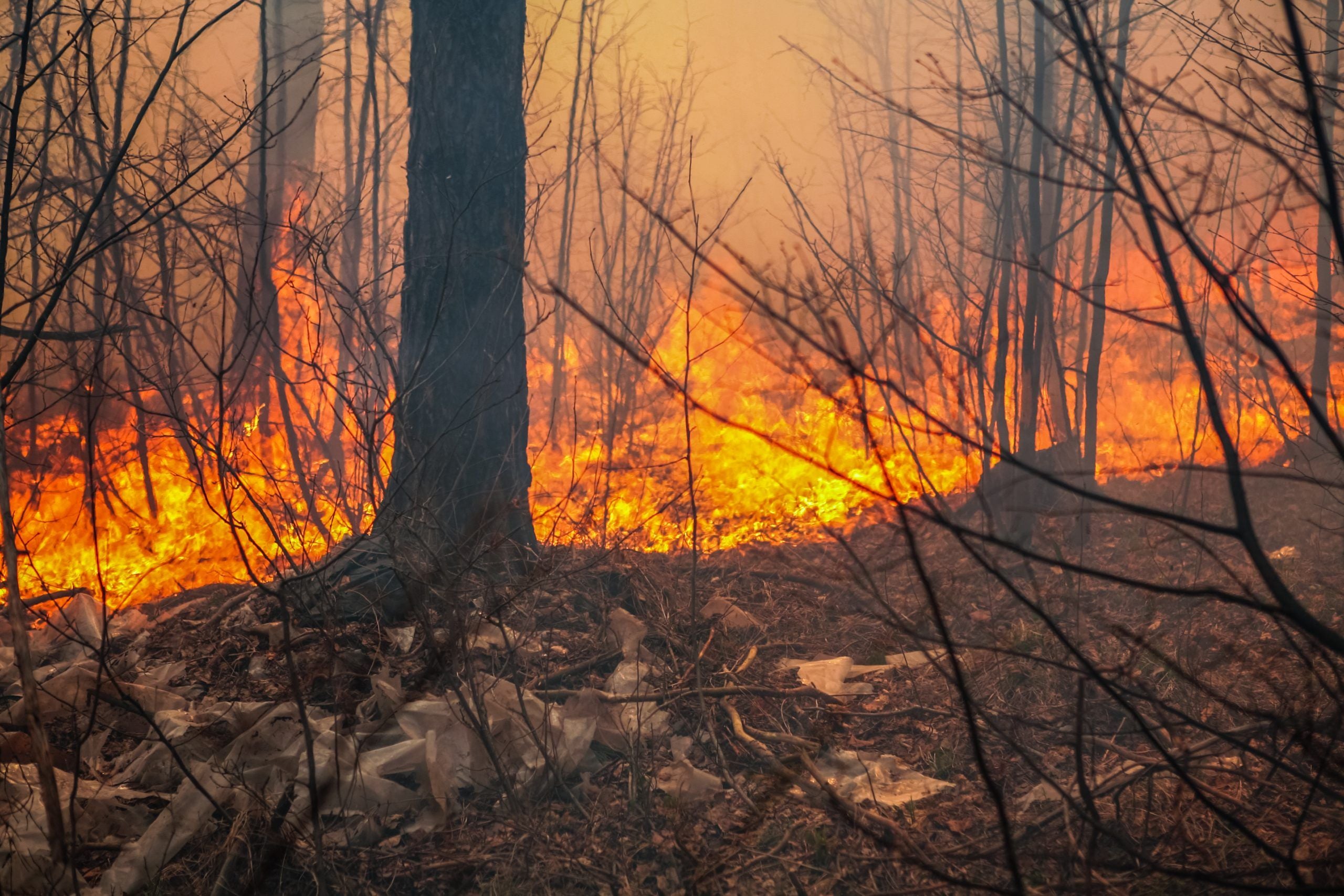
 This weekend we have seen three separate fires burn out of control across Colorado, New Mexico and California. Hundreds of families have been forced to leave their homes, while firefighters work to control the fires. At the time of writing this article, thousands of acres of land have been destroyed and some outbuildings have also been caught in the fire’s wake. No doubt, over the coming days firefighters will manage to contain the blaze and eventually put the fires out.
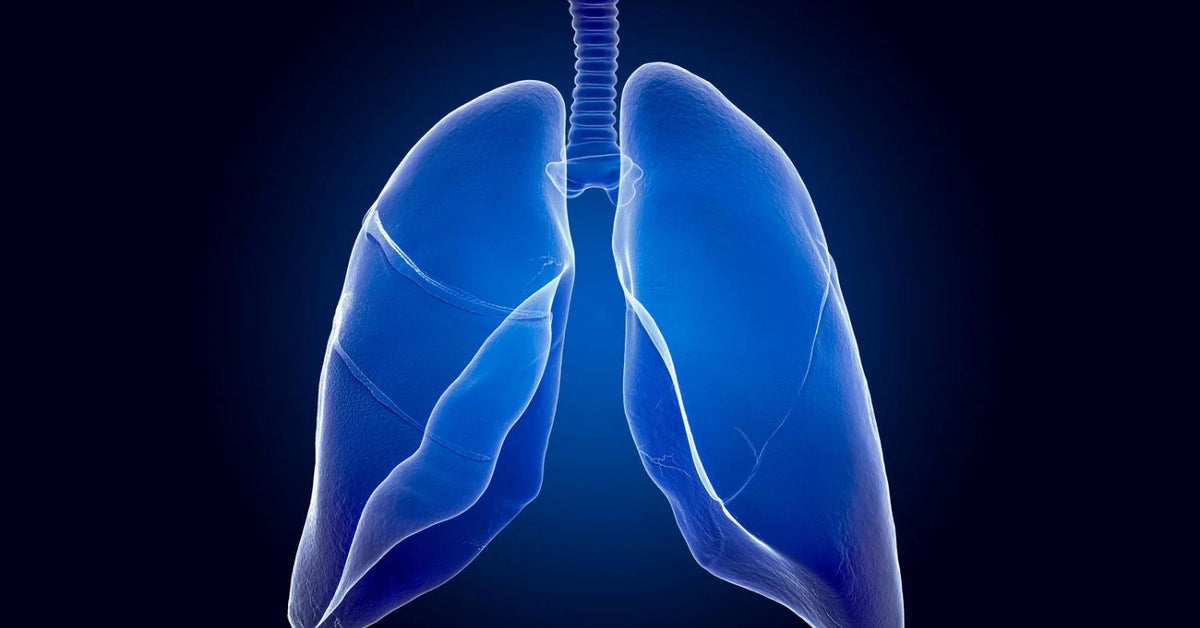
However, long after the fires have gone, the health of local residents will be affected. When wood and other materials burn, microscopic particles are released into the air. Exposure to these minute particles can cause a range of symptoms, from the minor runny nose and sore eyes, to potentially life threatening heart and lung disease.
When air quality levels drop, we are all at risk but certain groups of people are particularly vulnerable. People with ongoing respiratory problems, such as COPD and asthma may have difficulty breathing. People suffering from heart disease may also see their condition worsen. Babies and young children with lungs that have not fully developed, together with the elderly, will also be at greater risk.
So if you find yourself in an area where air quality is bad, be sure to take care. Stay indoors with the windows closed. Even if you are generally healthy, it is not advisable to take part in any strenuous activity such as running or cycling outdoors. Avoid cigarette smoke. Do not use any type of wood burner, candles or incense inside the home. And perhaps most importantly, consider investing in a high quality Certified HEPA Material air cleaner, such as the Austin HealthMate.
For more on our range of air cleaners please take a look at our products page, to find the air cleaner that’s right for you!