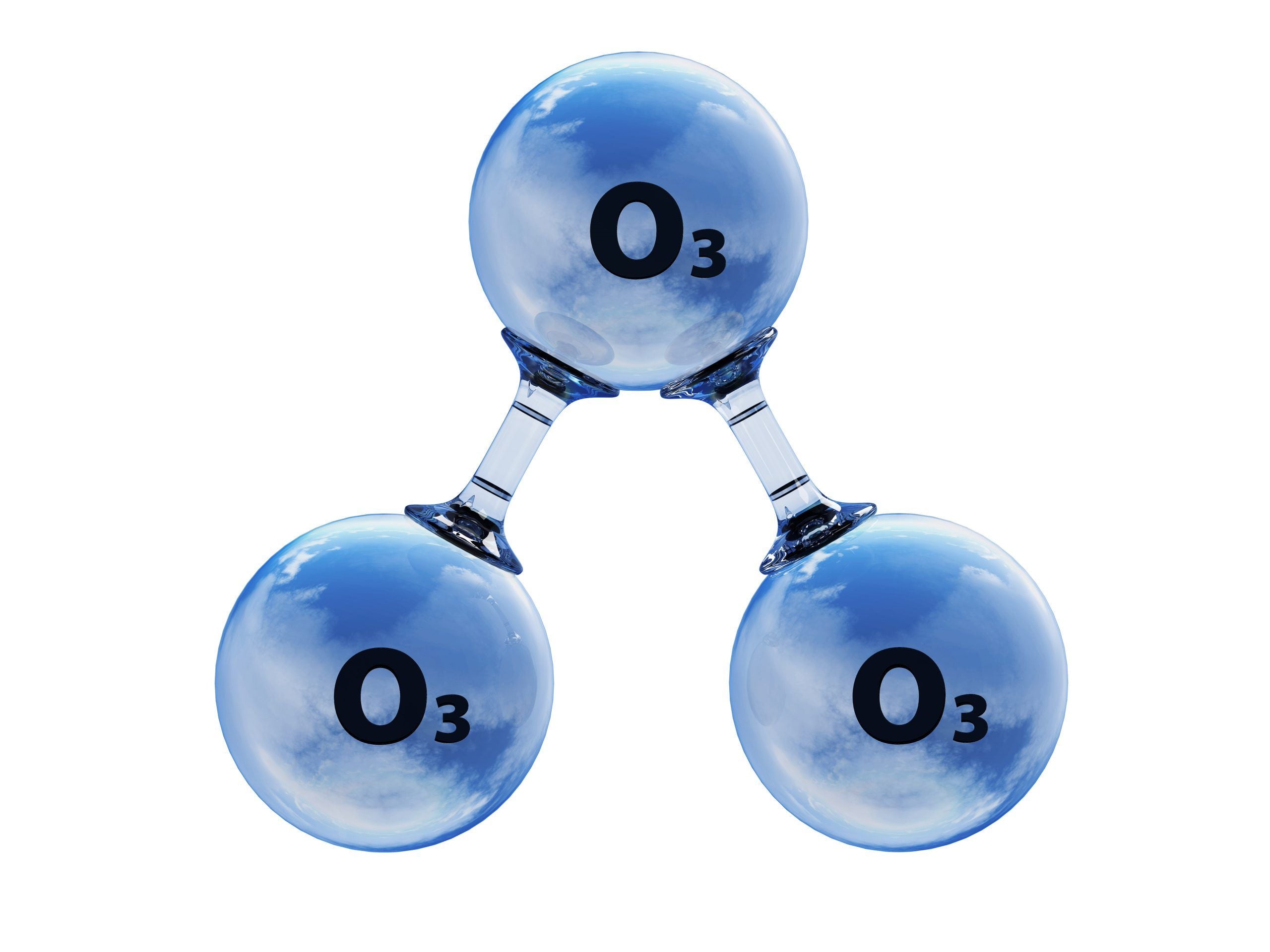
If you are concerned about the air quality in your home, you may have considered buying an ozone generator. They work by producing ozone that reacts with organic material such as odors or smoke and reverts back to oxygen.
However there’s a catch… in fact there are a few.
The chemical reaction that turns pollutants into oxygen may take several days, or even months. If and when the reaction occurs, it can produce a number of other dangerous pollutants. Furthermore, there is no way of controlling the amount of ozone released into the environment. And finally, ozone generators do not deal with particles, so pollutants such as dust or pollen will not be removed.
It is well documented that exposure to ozone can cause a variety of health problems, such as coughing, chest pain, throat irritation and shortness of breath. Ozone may also potentially worsen chronic respiratory diseases such as asthma and COPD. So, do you really want to buy a device that deliberately releases ozone into your home?
One of the safest and most effective ways to deal with indoor air pollution is to use an air cleaner that uses a true Certified HEPA Material filter. Certified HEPA Material filters work to remove a wide variety of airborne contaminants, from smoke and dust to pollen and pet dander, without any harmful side effects. For more information on our range of high end Certified HEPA Material air cleaners, visit our website at http://austinair.com/shop/ or contact one of our customer service representatives at info@austinair.com – we’d be happy to help!