 Way up in the earth’s stratosphere, as far as 30 miles away, ultraviolet rays produced by the sun react with oxygen to produce what we refer to as the ozone layer. At this level the presence of ozone is crucial, its acts as a protective shield against the powerful UV rays coming from the sun. Without it, we could not survive on earth.
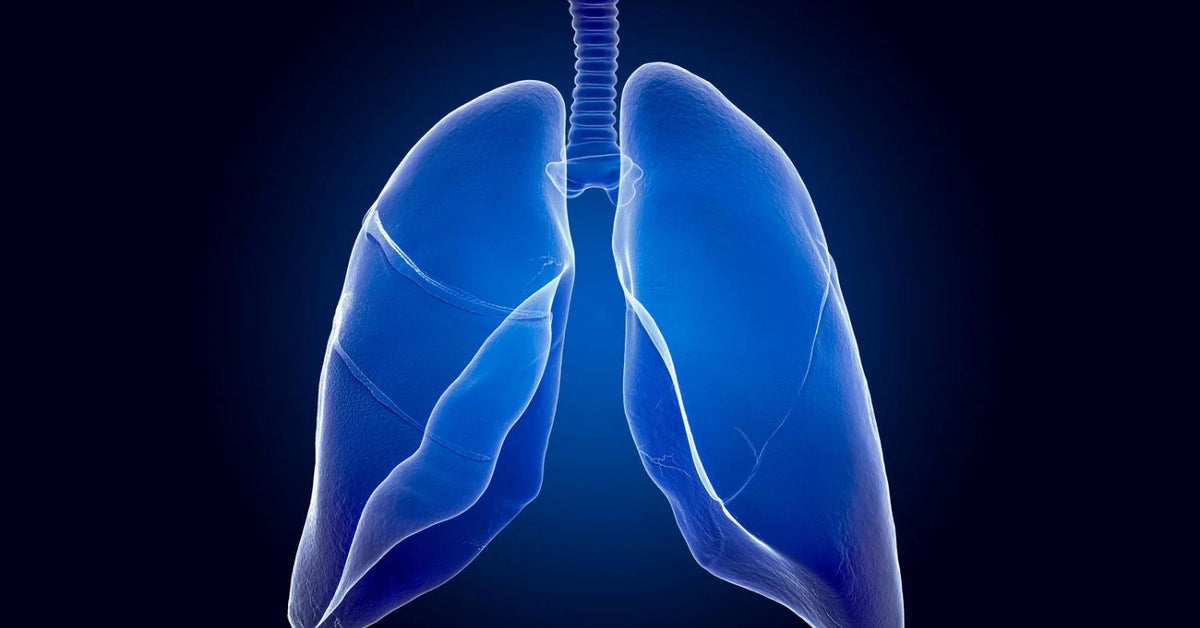
However a little closer to home, sunlight reacts with air that contains pollutants, such as those produced by cars and machinery, to produce low level ozone. It’s this type of ozone that can have catastrophic effects on our health. Breathing in low level ozone is linked to heart disease and strokes. It can irritate the airways and lungs, exacerbating asthma and other lung diseases.
Summertime is when we are most at risk. The weather is often dry, clear and sunny, perfect conditions for low level ozone to hang around for long periods of time.
If you are concerned about ozone levels where you live, try to stay indoors when levels reach their peak between 2 and 6 in the afternoon. And if you are still feeling the effects of summer pollution, you may want to think about investing in an Austin Air Cleaner, to guarantee the air in your home is clean and free from all types of airborne pollutants.