Today, December 3, is International Day of Persons with Disabilities.
Disability is often seen as something that happens to a small, specific group of people. In reality, most of us will experience a form of disability at some point in our lives. Whether due to aging, illness, injury, or chronic health conditions, disability is something that touches many of us.
International Day of Persons with Disabilities offers an important opportunity to rethink how we view disability. It’s a time for focusing on solutions that improve quality of life for everyone, not just on barriers. This includes addressing one of the most common and overlooked issues faced by individuals with chronic health conditions: respiratory health.
Chronic conditions such as asthma, chronic obstructive pulmonary disease (COPD), and pulmonary fibrosis place significant strain on those who live with them. Each ailment can make simple tasks like breathing, moving, or even speaking into a challenge. For these individuals, access to clean air and adaptive technologies like air purifiers are essential tools that provide not just physical relief but also improve overall independence and dignity.
Disability as a Shared Reality
According to the World Health Organization (WHO), more than 1.3 billion people live with some form of disability. That’s approximately 16% of the global population, or 1 in 6 people. As global life expectancy increases, so does the likelihood of experiencing chronic health conditions, including respiratory challenges. For those with respiratory diseases, these challenges are intensified by environmental factors like air pollution.

Asthma
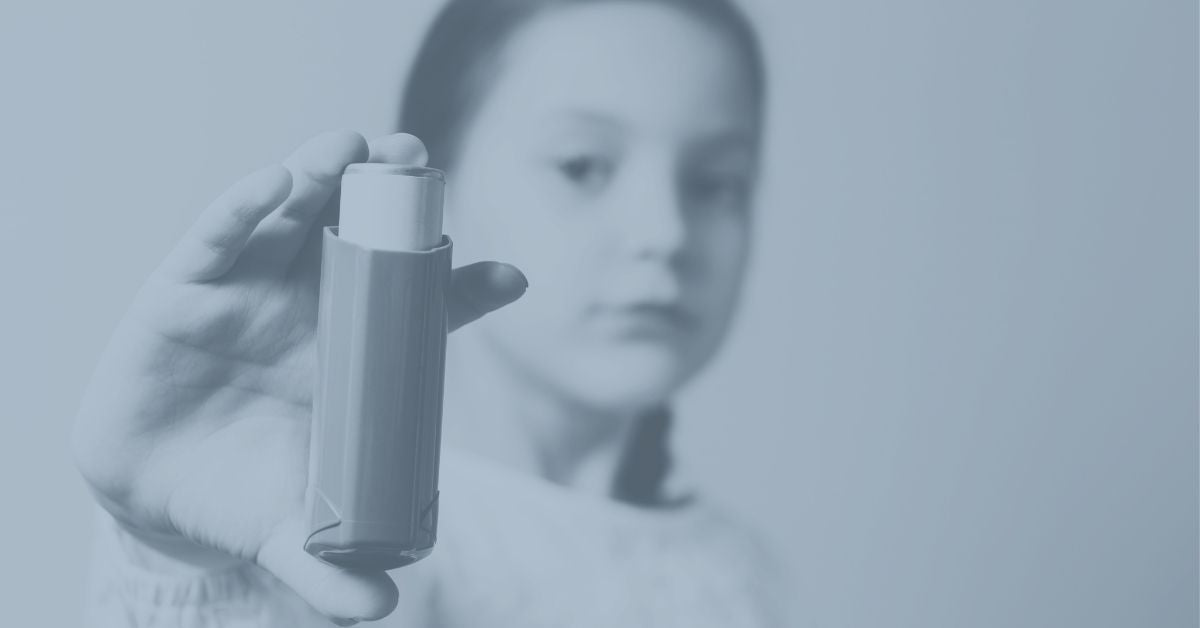
According to the WHO, asthma affects 262 million people worldwide and is responsible for 461,000 deaths annually. Asthma symptoms – such as wheezing, coughing, and shortness of breath – are often triggered by allergens and pollutants in the air. For those with severe asthma, even a small environmental trigger can lead to serious health complications.
Asthma is recognized as a disability when it substantially limits a person’s major life activities, such as breathing, walking, or working. Severe asthma episodes can interfere with daily tasks, require ongoing medical management, and restrict exposure to common environmental triggers like allergens or pollutants.

Chronic Obstructive Pulmonary Disease (COPD)
The WHO reports that COPD is the fourth leading cause of death globally, contributing to about 3.5 million deaths each year. COPD, which includes conditions like emphysema and chronic bronchitis, leads to chronic inflammation in the lungs and airway obstruction. Individuals with COPD are particularly sensitive to airborne pollutants, which can accelerate disease progression and worsen symptoms.
COPD can qualify as a disability because it significantly impairs lung function, restricting essential activities like walking, climbing stairs, or even performing basic self-care. The condition often causes chronic breathlessness and fatigue. For many individuals, COPD’s progressive nature leads to a need for workplace accommodations, such as reduced physical demands or clean-air environments, to maintain quality of life and equal access to opportunities.

Pulmonary Fibrosis
Pulmonary fibrosis is a condition that causes scarring of the lung tissue, leading to a progressive decline in lung function. Individuals with pulmonary fibrosis face ongoing difficulties in breathing, and environmental triggers – such as poor air quality – can make it even harder to manage the condition.
Pulmonary fibrosis leads to severe breathlessness, fatigue, and difficulty performing even basic activities like walking or talking. As the disease progresses, individuals often require supplemental oxygen, limiting mobility and independence. Like asthma and COPD, pulmonary fibrosis can also require workplace or educational accommodations, such as flexible schedules or remote options, to ensure equitable participation.
These conditions not only impact an individual’s ability to breathe but also limit mobility, reduce energy levels, and in many cases, force individuals to avoid public spaces or social events due to environmental triggers. Their impact on daily life underscores the importance of recognizing and supporting those affected by the condition.
The Role of Clean Air in Respiratory Health
Air pollution is an invisible but pervasive threat. Air pollution is the leading environmental risk factor for respiratory diseases, contributing to over 4.2 million premature deaths in 2019 alone. For those with chronic respiratory conditions, even low levels of pollutants like fine particulate matter (PM2.5) or volatile organic compounds (VOCs) can significantly worsen symptoms and lead to more frequent hospitalizations.

Austin Air Purifiers, equipped with High-Efficiency Particulate Air (Certified HEPA Material) filters and activated carbon filters, provide a solution.
- Certified HEPA Material filters are capable of capturing 99.97% of airborne particles, including allergens and fine particulates that trigger respiratory distress.
- Activated carbon filters neutralize harmful VOCs and odors, creating safer indoor environments.
For individuals with chronic respiratory conditions, these technologies can make a profound difference in daily life, reducing exposure to harmful pollutants and improving the overall quality of air they breathe indoors.
A Commitment to Inclusion
On International Day of Persons with Disabilities, we have an opportunity to advocate for a more inclusive world that considers the needs of individuals with chronic respiratory conditions. Clean air is a fundamental right, not a luxury. By prioritizing air quality and promoting the use of adaptive technologies like air purifiers, we can make a profound impact on the lives of people living with chronic health conditions.
At Austin Air, we believe that fostering inclusivity extends beyond words – it’s about taking meaningful action. Through our partnerships with organizations like New York State Industries for the Disabled (NYSID) and The Arc of Erie County, we provide meaningful employment opportunities for individuals with disabilities. These partnerships reflect our dedication to building a world where everyone has the chance to contribute, thrive, and feel valued.
Whether it’s through our advanced air purifiers or by creating an inclusive workplace, Austin Air stands firmly for a healthier, more equitable future for all.
Last updated March 11, 2026