It could be the meds.
It is no surprise that poor air quality has an adverse effect on our children’s asthma symptoms. Ozone in the environment together with carbon monoxide, nitrogen dioxide and sulfur dioxide all reduce lung function and airway responsiveness in children with asthma. So it’s more important than ever we keep on track with our children’s medication right? Not necessarily, according to scientists from Brigham and Women’s Hospital in Boston.
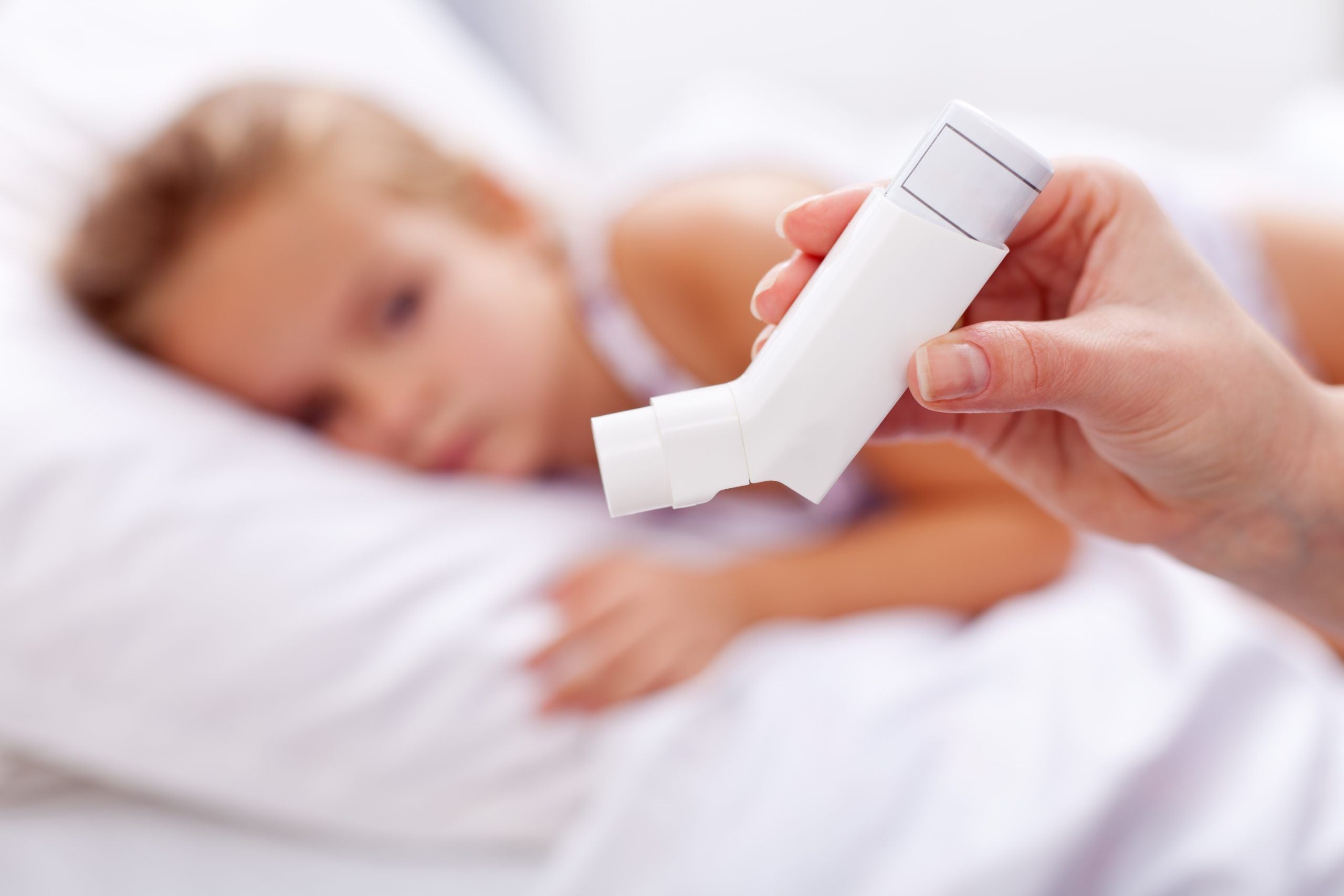
They believe that certain asthma medication, known as controllers, could actually be putting children at greater risk.
The team examined data from more than 1000 children between the ages of 5 and 12 years. They found that if children were exposed to carbon monoxide from cars and other vehicles, even if it was just for a very short time, the children receiving controller medication suffered the most, as their asthma symptoms worsened.
Experts highlight the need to be cautious when pollution levels are high and air quality is low. Asthmatic children should avoid any type of physical activity outdoors at this time. It may also be that your child’s regular asthma medication will not give sufficient protection when air quality is low.
If you have any concerns about any aspect of your child’s asthma, including the treatment they are receiving, talk to your health care provider, to ensure your child is getting the protection they need.
For more on the findings, follow the link here.
If you have concerns about the quality of air in your home and how it may be affecting your child’s asthma, check out our range of products here . Designed to remove all airborne allergens and pollutants, running an Austin Air Cleaner in your home will help to ease symptoms of asthma and other respiratory problems.