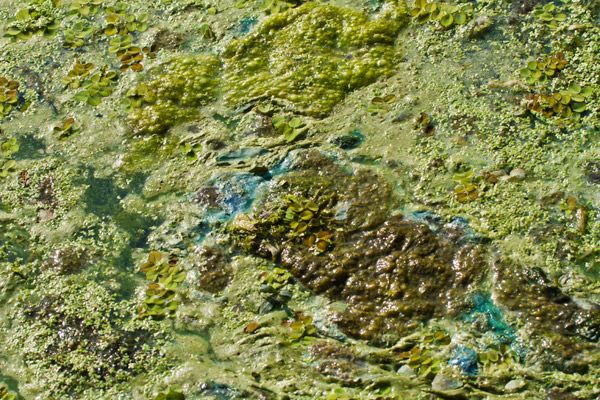
As we head into summer, residents on the Florida Coast may be more than a little nervous about air quality in the region. Specifically, the dangerous toxins produced by the blue green algae, found in canals and waterways.
Blooms of algae occur in areas where there are particularly high levels of nutrients such as phosphorous and nitrogen. High levels of nutrients can occur naturally, however pollutants from agricultural land, fertilizer and leaky septic tanks can also cause nutrient levels to rise and algae to bloom.
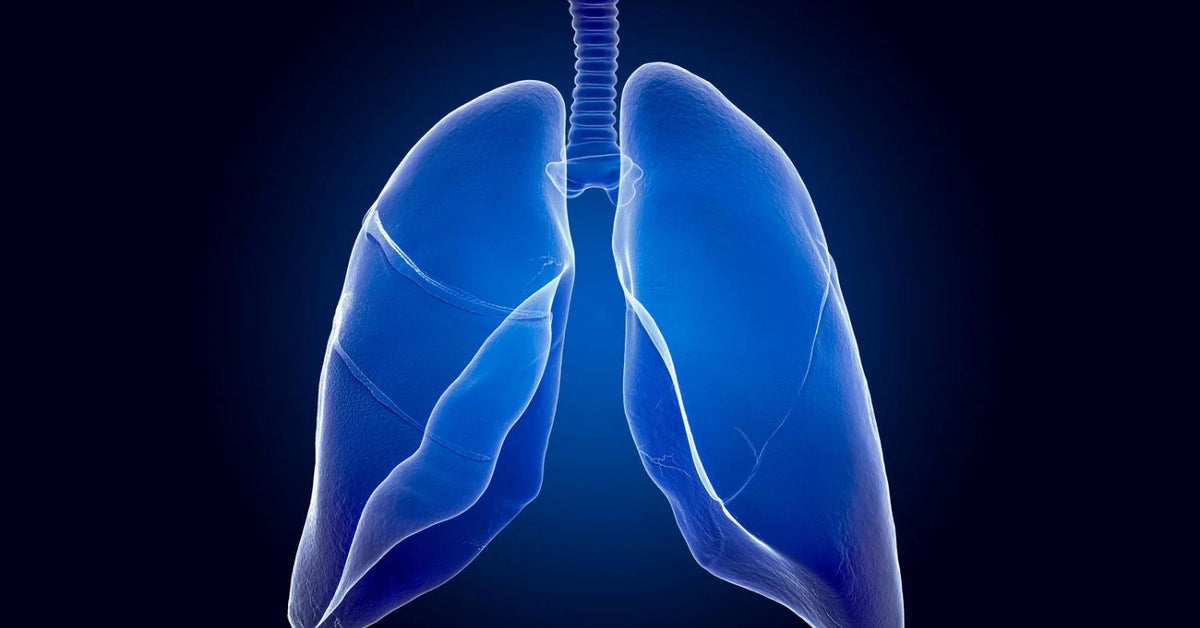
The type of algae that developed in Florida’s canals and waterways last summer produced a toxin known as ‘cyanotoxin’ one of the most deadly toxins on the planet, more potent than Strychnine and the nerve gas ‘Sarin’. But despite this, unlike other dangerous chemicals such as insecticides and cleaning chemicals, ‘cyanotoxins’ are not regulated. We simply don’t know how much is too much. Does it build up in the body over time? What are the health risks? One thing we do know is that when inhaled, the toxin can reach the lungs. Research is ongoing and until we fully understand the dangers, scientists are advising people to stay well away from the contaminated waterways.
Are you are living in an area affected by the algae? Are you worried about air quality where you live? For highly contaminated environments we recommend the Austin Air HealthMate Plus™. With its broad spectrum adsorption, it is the best choice for people looking to remove a wide range of air borne toxins and contaminants, including those released into the air near to an algae bloom. For more info on our Austin Air Healthmate™ Plus follow the link here. https://austinair.com/shop/healthmate-plus/