They may be just around the corner
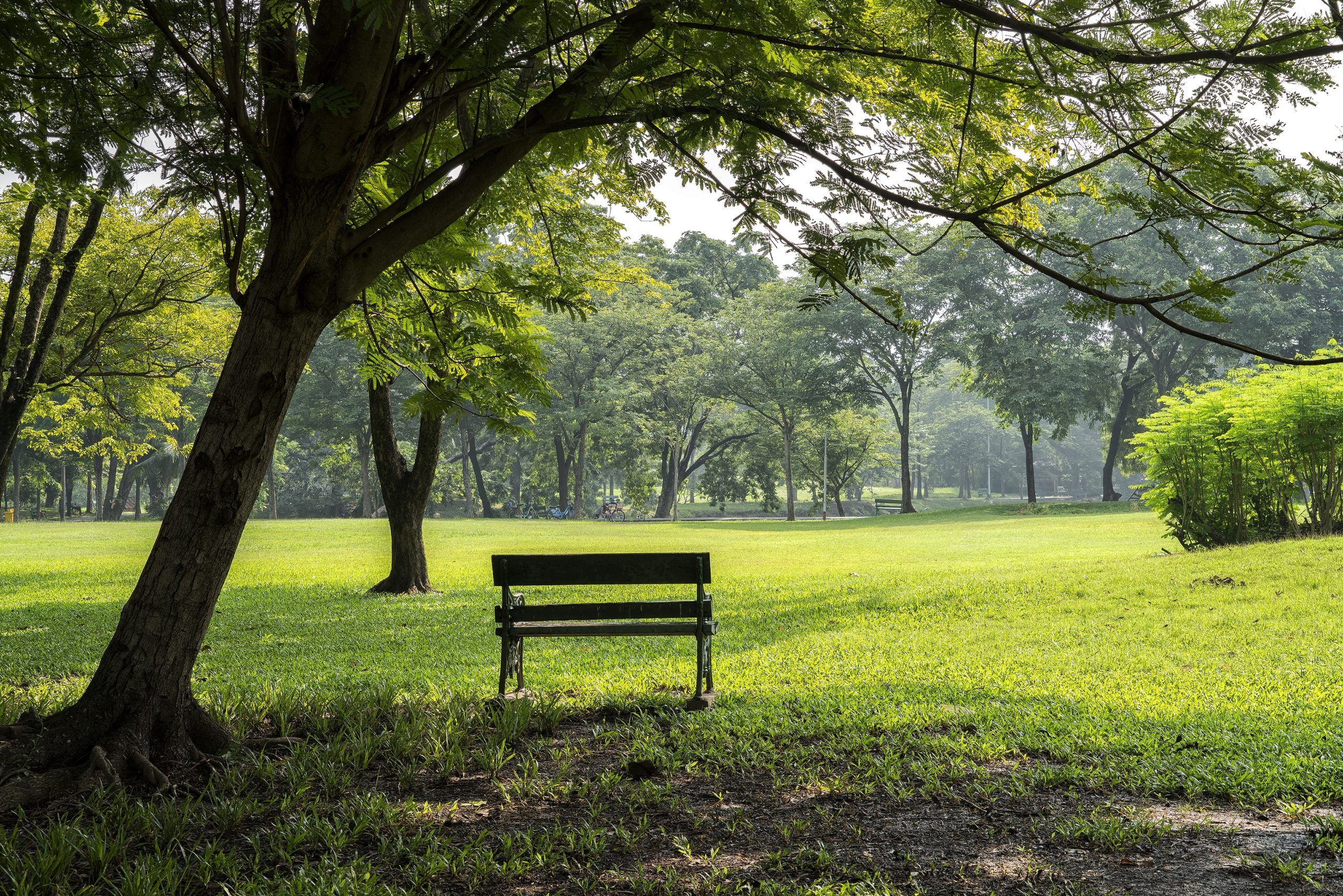
It sounds like something from a futuristic movie but according to scientists from Spain, hypo-allergenic parks may not be that far off.
The Spanish team examined trees growing in ten of Granada’s green spaces, to understand the extent to which the trees contributed to peoples allergies. The trees were then categorized according to certain characteristics. This included the length of time the trees were in pollination. The type of pollination was also determined, as some trees are pollenated when the wind blows and some are pollenated with the help of insects and birds. The trees were also measured to determine how allergenic they were.
Until now no consideration has been given to allergy sufferers when designing green spaces in our cities. So it was no surprise to find that the most commonly planted trees are those that are most likely to cause allergies.
The team is hoping that by categorizing trees in this way, to make it clear which trees will cause problems, they can help future developers decide what trees to plant. The result could be hypo-allergenic green spaces that keep allergies to a minimum.
Imagine being able to enjoy time outside at the height of allergy season, without the drag of suffering a stuffy nose or constant coughing and sneezing.
If you suffer from allergies, you know it is not always easy to avoid the triggers, particularly when trees, grasses and plants are in flower and pollenating. However, regardless of what is happening outside, you can ensure the air in your home is allergen free. Consider investing in any of the Austin Air purifiers for your home, removing allergens, chemicals and gases from the air, it gives allergy sufferers the much needed relief they need.