We know that indoor air pollution can be just as damaging to our health as the pollution on the street.
It could be pollution from a cooking stove in Africa or a newly painted bedroom in the US, either way the health risks are the same. Globally, th e groups most at risk are the same too. No matter where they live in the world, women and children spend more time in doors, therefore increasing their risk of exposure.
Children and young babies are in particular danger. As they are growing, children take in more oxygen per body weight than adults; as a result they inhale more pollutants. Children also have narrower airways than adults and as pollutants can cause the airways to restrict, children are at greater risk of respiratory problems.
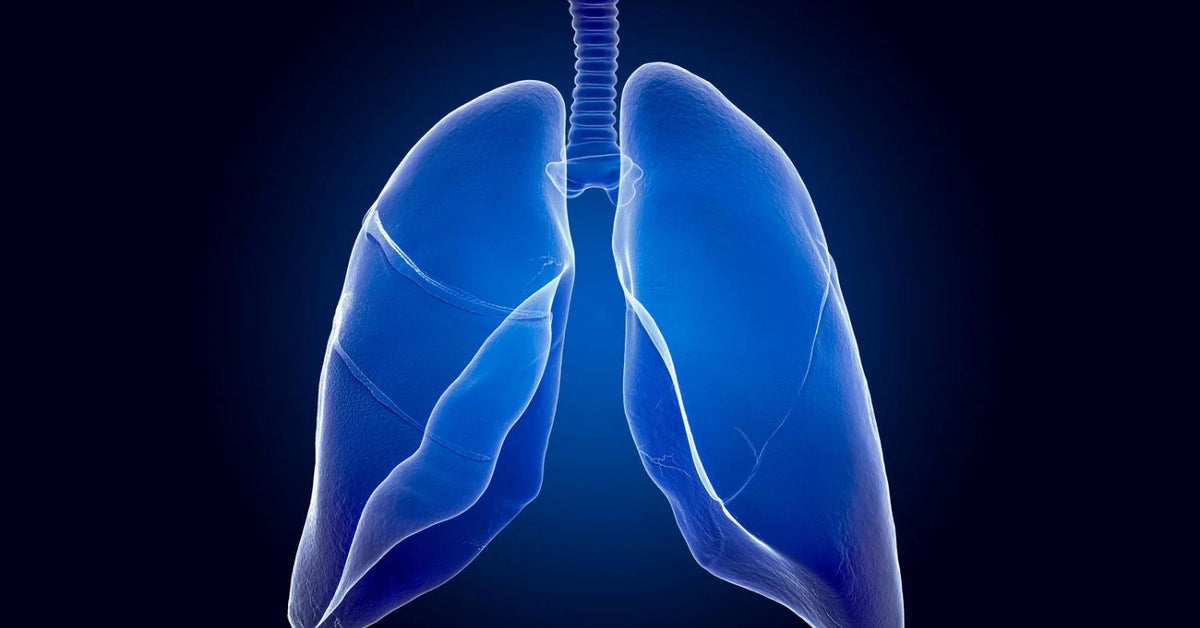
One test carried out in India found that children had carbon monoxide levels in their lungs similar to a person smoking 7 cigarettes a day.
Much has been done to raise awareness and educate those people at most risk but with indoor air pollution accounting for around 4 million premature deaths each year, it is clear there is still a long way to go.
For more on the effects of indoor air pollution follow this link.
http://www.downtoearth.org.in/blog/how-indoor-pollution-affects-women-children-60186