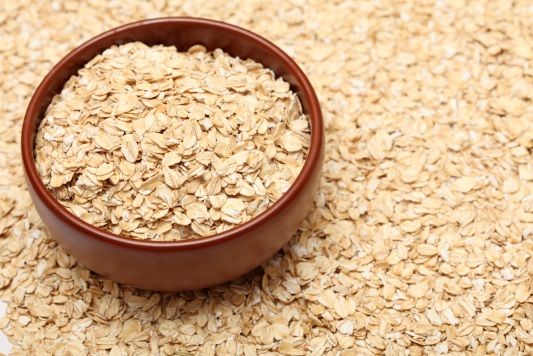
Fiber helps keep us healthy! Our bodies require an average of 30 grams of fiber per day in order to maintain good health, but the reality is that most of us only get about half of that. A high-fiber diet aids in healthy weight management, improves blood sugar levels, reduces the risk of type 2 diabetes, normalizes and maintains bowel health, and assists in protecting lung health. Maybe I’ve caught your attention now? Thankfully, selecting delicious foods with high fiber is not as hard as you think. Many of the things that we eat on a daily basis contain fiber; you just may not know it!
Dietary fiber is a non-digestible form of carbohydrate that provides necessary bulk in our diets. It promotes a gastrointestinal function that helps to make you feel “full” after eating. Fiber can be found in many fruits, vegetables, nuts, beans and whole grain foods. Whole foods contain both soluble and insoluble fiber. Soluble fiber dissolves in water and helps to keep your blood cholesterol and glucose levels low, while insoluble fiber is not dissolvable in water, and promotes healthy movement in the digestive tract.
After reading this, maybe there is a chance that you’ve thought to yourself, “How can I increase my fiber intake?” It is easier than you think! There are many things we can eat or alternatives to what we are currently eating that we can choose to boost our daily fiber consumption. Do you eat a bowl of cereal for breakfast every day? Start choosing cereals that have whole grain as their leading ingredient over the sugar-filled cereals. Choose whole wheat bread or brown rice over white options. The difference in wheat bread to white bread in one regular slice is 7 versus 3 grams of fiber! Foods are considered fiber-rich if they have 3 grams or more of fiber per each labeled serving. Recommend daily intake of fiber changes with age.

Excessive amounts of dietary fiber can potentially have negative effects that include a reduced absorption of minerals, vitamins, proteins and energy. Fiber is usually recommended in specific amounts to assist in maintaining normal bowel health, but it may cause bloating and diarrhea when consumed in excessive amounts. Generally, it is unlikely for recommended amounts of fiber to cause any problems with nutrient absorption or unusual bowel problems in healthy adults. On the other hand, insufficient daily intake of fiber can also present troubles in good dietary patterns.
As with anything, eating in healthy amounts with recommend daily intakes of servings from each food group including its nutrients is important to maintaining good health. From fiber and vitamins to the four basic food groups, our bodies require balance in each category to maintain a healthy lifestyle.