As the Coronavirus continues to spread to countries across the world, we are all concerned about infection.
Its origins
The virus originated in a seafood and meat market in the city of Wuhan in central China. The first case was reported on December 31, 2019. Since then many thousands have contracted the disease and a significant percentage have died.
What exactly is the Coronavirus?
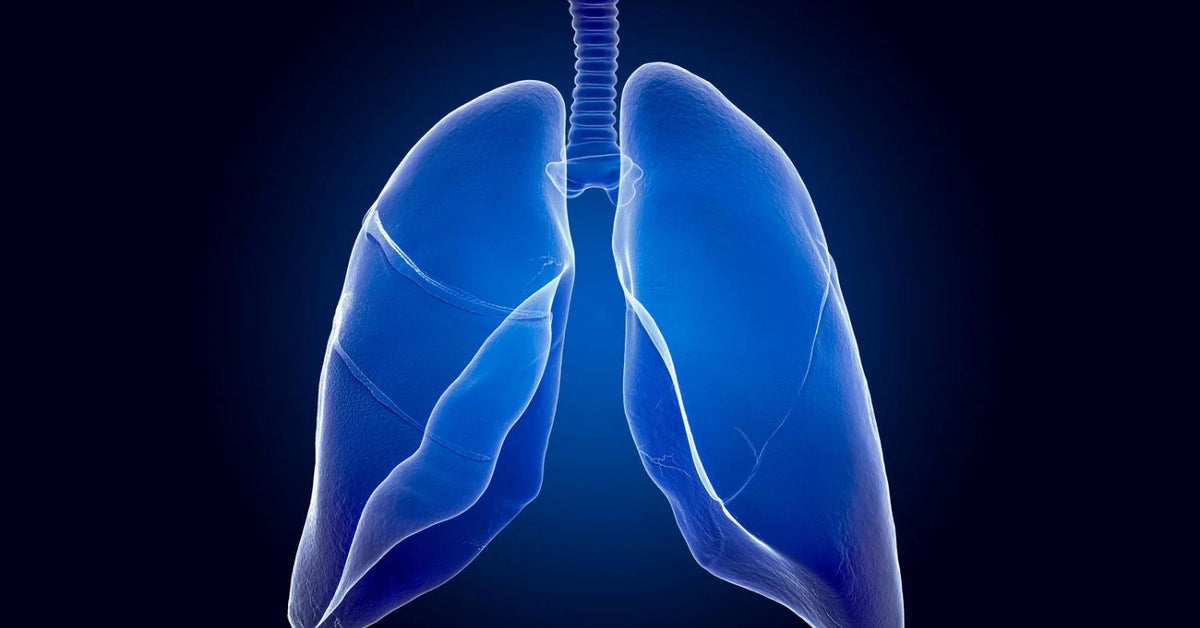
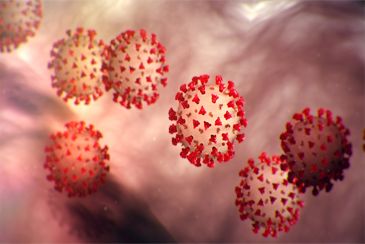
Coronavirus is the name given to a family of airborne viruses that attack the respiratory system. The Wuhan Coronavirus, or COVID-19, belongs to the same family as the infamous SARS virus, that caused an epidemic in 2003 and 2004.
For many people, symptoms of the virus are mild and very similar to the flu. They include a dry persistent cough, fever, shortness of breath, chills and body aches. It only becomes a risk to life if the virus spreads to the lower respiratory tract, which can lead to pneumonia and possibly death.
How can I protect myself and others
For the vast majority of people, contracting the virus will not lead to serious illness. However, we could pass it on to a more vulnerable person, who is at risk of becoming seriously ill. To minimize the spread, we must all regularly wash our hands. It is important to stay at least 3 feet away from anyone who is coughing. Avoid touching your face, as that’s how the virus can spread from surfaces to you. And if you feel unwell, have a persistent cough that’s new, a temperature or difficulty breathing, contact your local healthcare provider for advice on how best to proceed.
We are all facing difficult times. But it’s worth remembering, everyone has a part to play. Follow the guidelines on social distancing. If you feel unwell, stay home. Check on elderly neighbors and family members to ensure they have everything they need.
Now more than ever, we need to think of others. If we work together, we can beat this.
Stay safe everyone!