We have been following the news on the California wildfires as they spread across the West coast, causing major disruption and health problems for local residents. According to the latest reports, the fallout from the fires will travel much further than originally thought, affecting the health of people living on the East coast too.
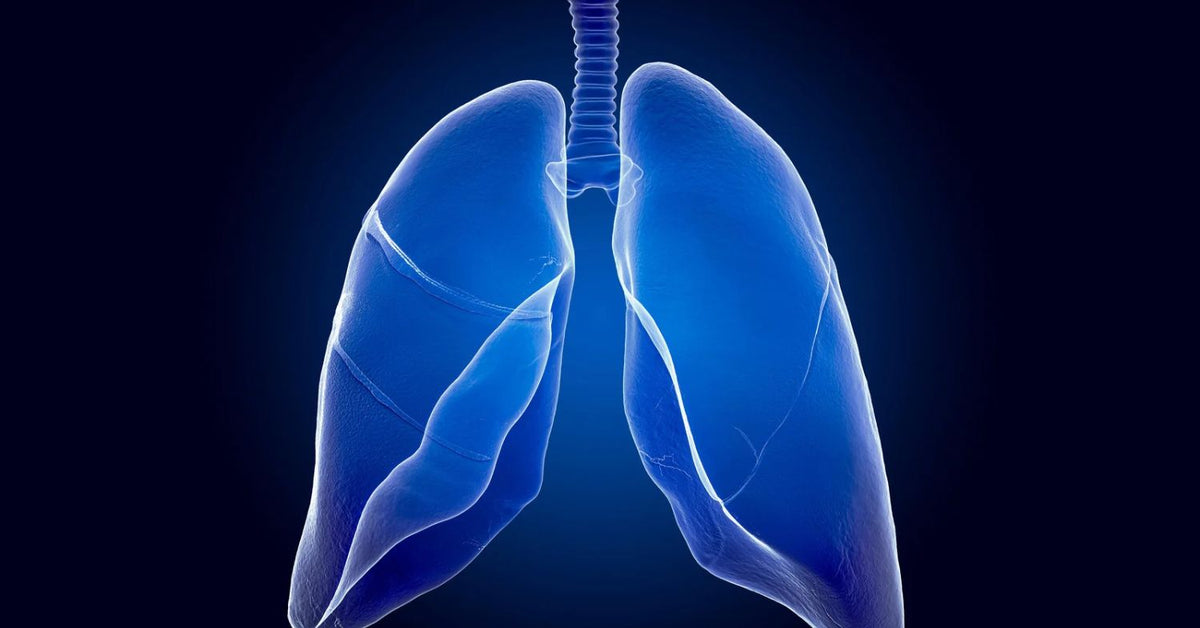
Many people suffer from respiratory problems when there is smoke in the air. Shortness of breath, coughing and wheezing are common when smoke is inhaled directly. But exposure to smoke can also damage our health in a more subtle, indirect way. When solid matter burns, it leaves behind microscopic particles, this mixes with moisture in the air to create Particulate Matter (PM). The PM is so small it can lodge itself in the lungs, affecting heart and lung health. The fine particles can also cause inflammation in the body that can lead to blood clotting. Exposure to PM in this way increases the risk of heart attacks and strokes in the future.
Do you feel you are suffering the effects of poor air quality in your area? If possible avoid spending time outdoors, stay at home with your windows and doors closed. If you do have to venture out, try to keep outdoor physical activity to a minimum.
If you’re looking to improve the quality of air in your home as a result of the forest fires, we’re recommending the Austin Air Healthmate Plus HM450, the Certified HEPA Material and carbon filter impregnated with potassium iodide is the best choice for removing wood burning smoke, formaldehyde and other harmful VOC’s. Visit our Shop Now page to learn more about the Austin Air Healthmate Plus and what it can do for you.