It is well established that exposure to second hand smoke is extremely dangerous for unborn and very young children. The risk of Sudden Infant Death Syndrome (SIDS), low birth weight and childhood respiratory disease are all increased when a child is exposed to tobacco smoke.
Environmental Tobacco Smoke (ETS) contains more than 4,000 chemicals, many of which are known or suspected to be toxic or carcinogenic agents. Tobacco smoke is a major source of indoor air pollution and as many as 40% of American children are exposed to it at home, where they spend most of their time.
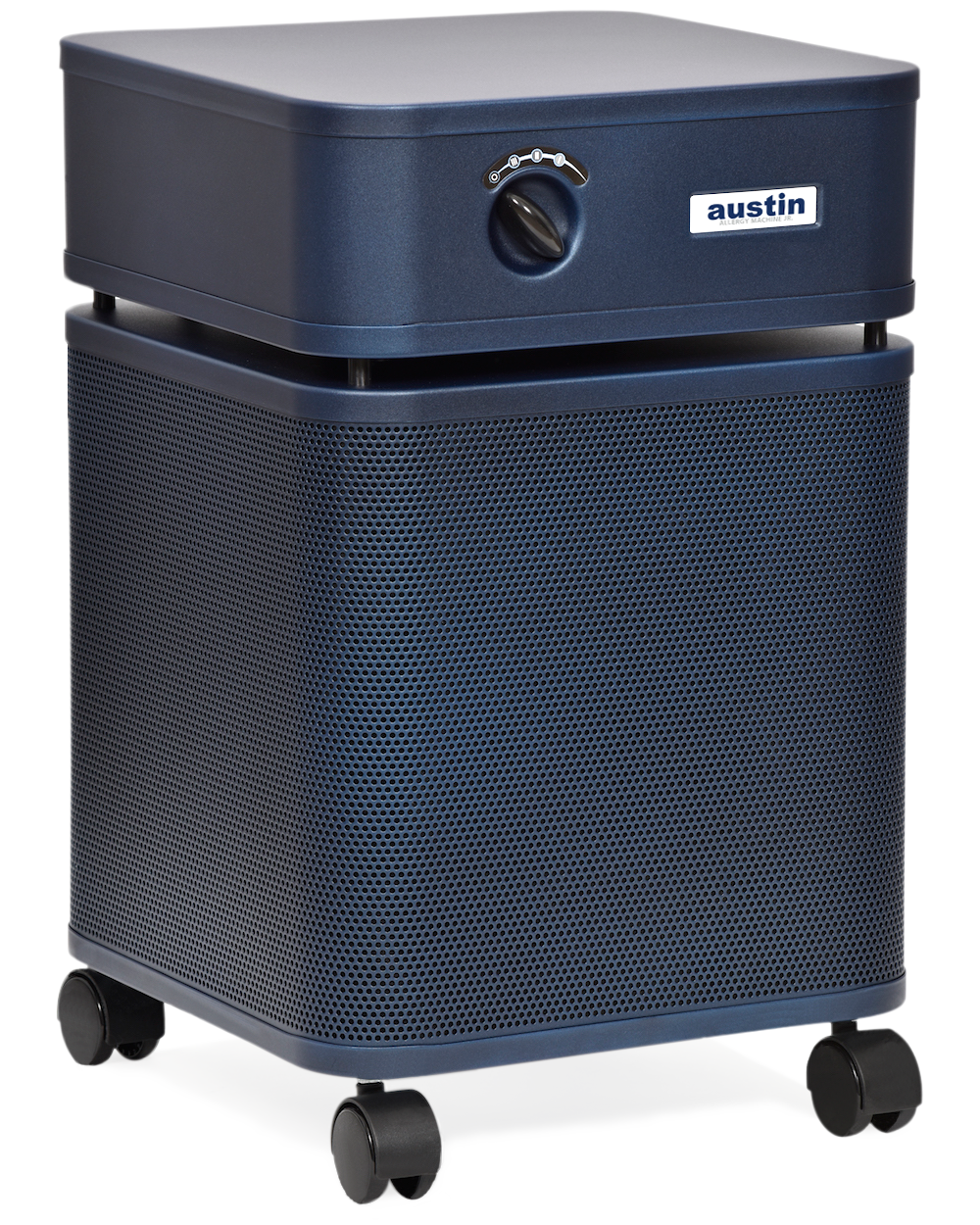
Austin Air took part in a study with one of the country’s leading universities, Johns Hopkins in Baltimore. The study was designed to measure how using an air purifier could improve indoor air quality for pregnant women or women with very young children, living with a smoker. Intervention included installing 2 Austin Air Purifiers in the home and education on how to reduce exposure to second hand smoke.
50 women took part in the study. 32 women had young children and 18 were pregnant. Results show that indoor Particulate Matter was significantly decreased by the end of the study. And exposure to second hand smoke was also reduced for all non-smoking women. Furthermore by the end of the study, 98% of women would recommend an air purifier to friends and family looking to improve indoor air quality. The study concludes that air purifiers are not an alternative to stopping smoking but they do improve indoor air quality and significantly decrease exposure to nicotine for non-smokers.
References
The feasibility of an air purifier and secondhand smoke education intervention in homes of inner city pregnant women and infants living with a smoker