An estimated 20 million Americans live with a dust allergy (1). Dust is one of the most common allergens. A dust allergy is not easy to live with, as it can cause sneezing, sniffling, itchy or watery eyes, and congestion.
Dust can come from both indoors, like from dead skin flakes, carpet fibers, and other materials, and outdoors, like from dirt or airborne particles. Dust can be tracked indoors from outside, where it can travel in the wind and stay suspended for more than three weeks.
What can you do to reduce your exposure to dust and your allergy symptoms? Read on to find out.
What Causes a Dust Allergy?
Allergies occur when the immune system overreacts to a perceived foreign invader. The immune system typically produces antibodies that determine this foreign substance is harmful. The immune system then responds, and releases histamine, which is what causes allergy symptoms.
How to Reduce Your Exposure to Dust
Clean Your Home Regularly
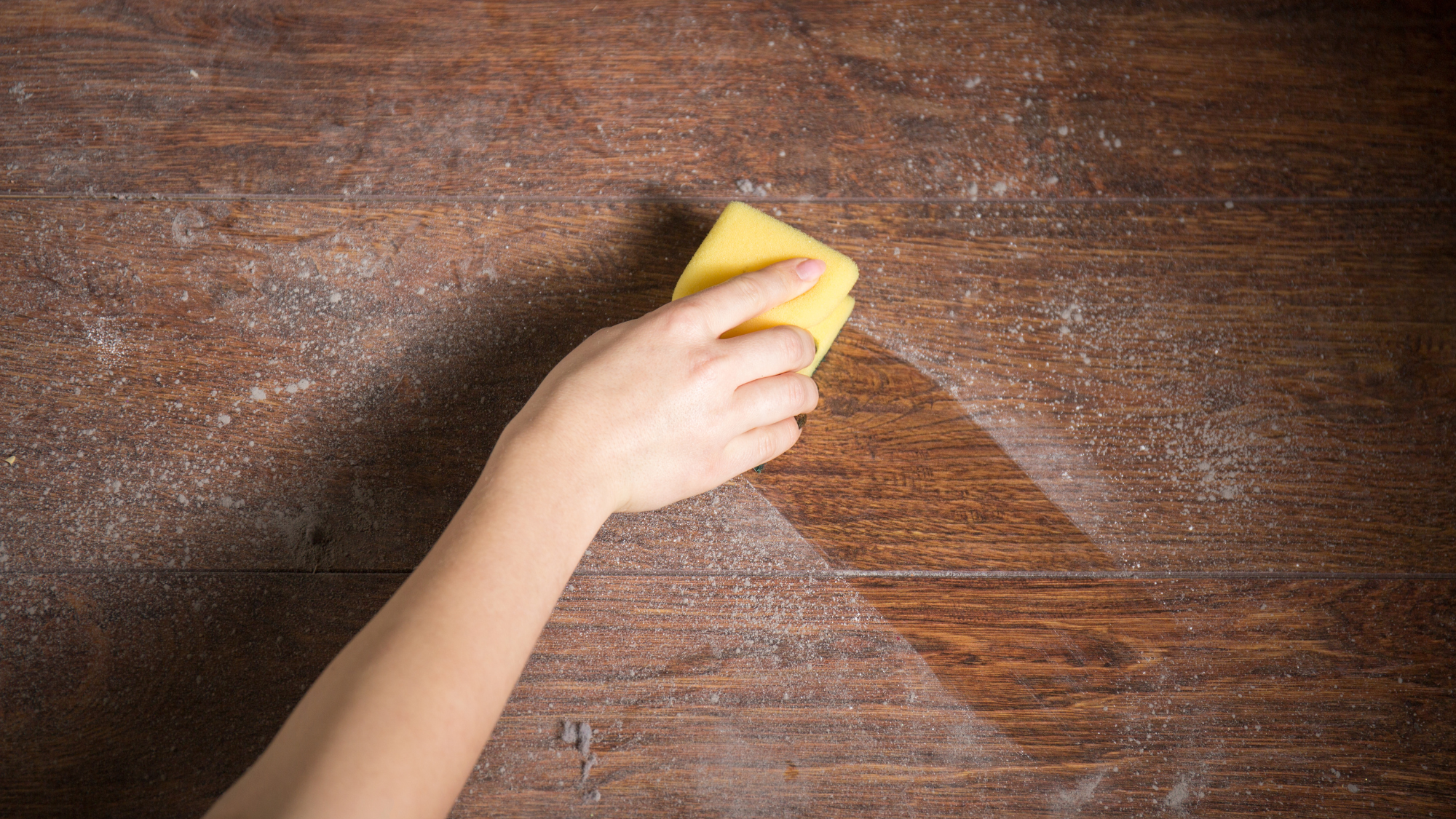
Dust furniture at least once a week. When vacuuming, wait for dust to settle. Wash throw rugs, curtains, drapes, and blankets often.
Cleaning is especially important in the bedroom because dust can settle and hide on blankets, pillows, and mattresses. Wash your bedding often, and vacuum your mattress, box spring, and under your bed. Decorative pillows and stuffed animals can also harbor dust, so consider removing them.
Minimizing clutter will also reduce dust buildup, as this means less items to collect dust.
Avoid Window or Attic Fans
These types of fans bring pollen, mold, dust, and other allergens into the home. Opt for an air conditioning unit so you do not have to open the windows.
Air Purification
It is important you choose an air purifier that contains medical-grade Certified HEPA Material, like Austin Air purifiers. This helps remove dust and other allergens from the home. Air purification can also help reduce humidity, which helps reduce dust mites. Austin Air purifiers are the top line of defense against dust mites and other allergens, with the most robust air purification technology on the market. We are the ONLY clinically proven air purification system on the market, with over 60 square feet of medical-grade Certified HEPA Material and up to 15 pounds of activated carbon to keep your home dust mite and allergen-free.
References: