If you work in construction, you know the amount of particulates, dust, biological pollutants, VOCs, and gasses that can be released into the air during a project. What you may not know is that frequent exposure to these can cause severe illnesses, such as:
- Eye, nose, and throat irritation
- Mesothelioma
- Headaches
- COPD
- Skin rashes
- Drowsiness
- Asthma
- Silicosis (scarring of the lungs)
- Kidney and liver disease
Not only that, these pollutants can settle on workers’ clothing and in their hair – and can then be brought home to their families (which are especially harmful to children). That’s why it’s important to keep an air purifier on-site to minimize airborne pollutants!
Particulate Matter
Particulate matter is a common exposure for construction workers and includes dust and fibers often produced from construction materials or during renovation or demolition activities. These can cause or exacerbate many critical lung conditions, including asthma, allergies or COPD, and other serious long-term health effects.
Some examples of particulate matter sources include:
- Drywall
- Plaster
- Concrete
- Soil
- Wood
- Masonry
- Flooring
- Roofing
- Ductwork
Volatile Organic Compounds (VOCs)
Building materials can release volatile organic compounds (VOCs). Some VOCs are known carcinogens, meaning they can cause cancer in people. Others are suspected carcinogens, meaning they are thought to cause cancer in people, but more research is needed. For example, benzene is known to cause leukemia, especially acute myelogenic leukemia. (1)
Common VOC sources include:
- Caulks, sealants and coatings
- Adhesives
- Paints, varnishes and stains
- Wall coverings
- Cleaning agents
- Fuels and combustion products
- Carpeting
- Vinyl flooring
- Fabric materials and furnishings
Austin Air Can Help!
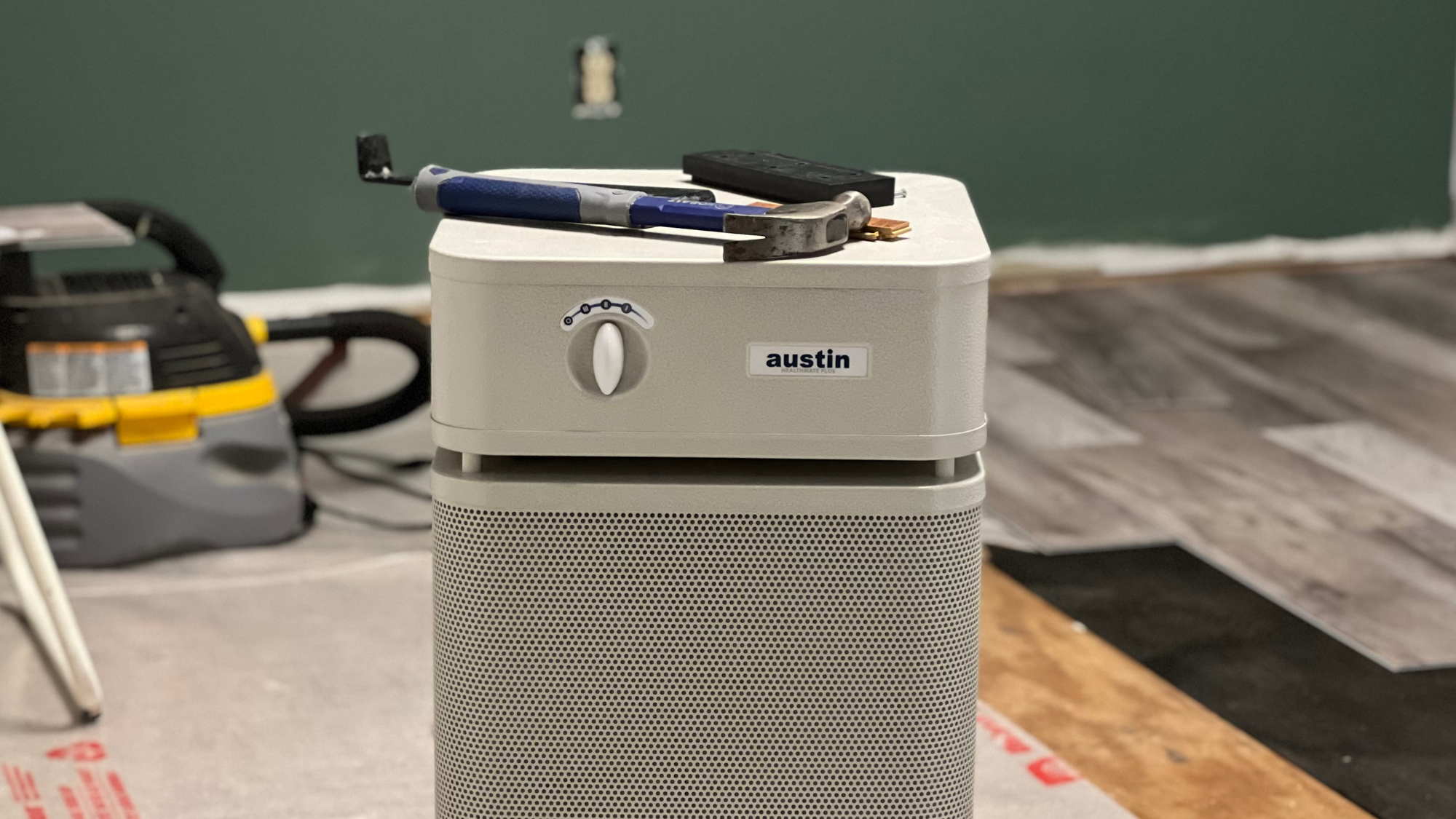
Having an Austin Air purifier on site can minimize construction workers’ (and their families’) risk of exposure. Austin Air purifiers use a unique combination of medical-grade Certified HEPA Material and activated carbon, which the EPAfound most effective.
What’s more, Austin Air uses more Certified HEPA Material and carbon than anyone else in the industry. The Austin Air HealthMate contains 60 square feet of true Medical-Grade Certified HEPA Material filtration, removing 99% of all airborne contaminants, including particulates, as small as 0.1 microns. The HealthMate also contains up to 15 pounds of activated carbon and zeolite to remove the widest range of toxic chemicals and VOCs from the air.
Shop the HealthMate here: https://austinair.com/shop/healthmate/
References:
VOC Fact Sheet – Ohio Dept of Health
https://www.cdc.gov/niosh/topics/indoorenv/constructionieq.html