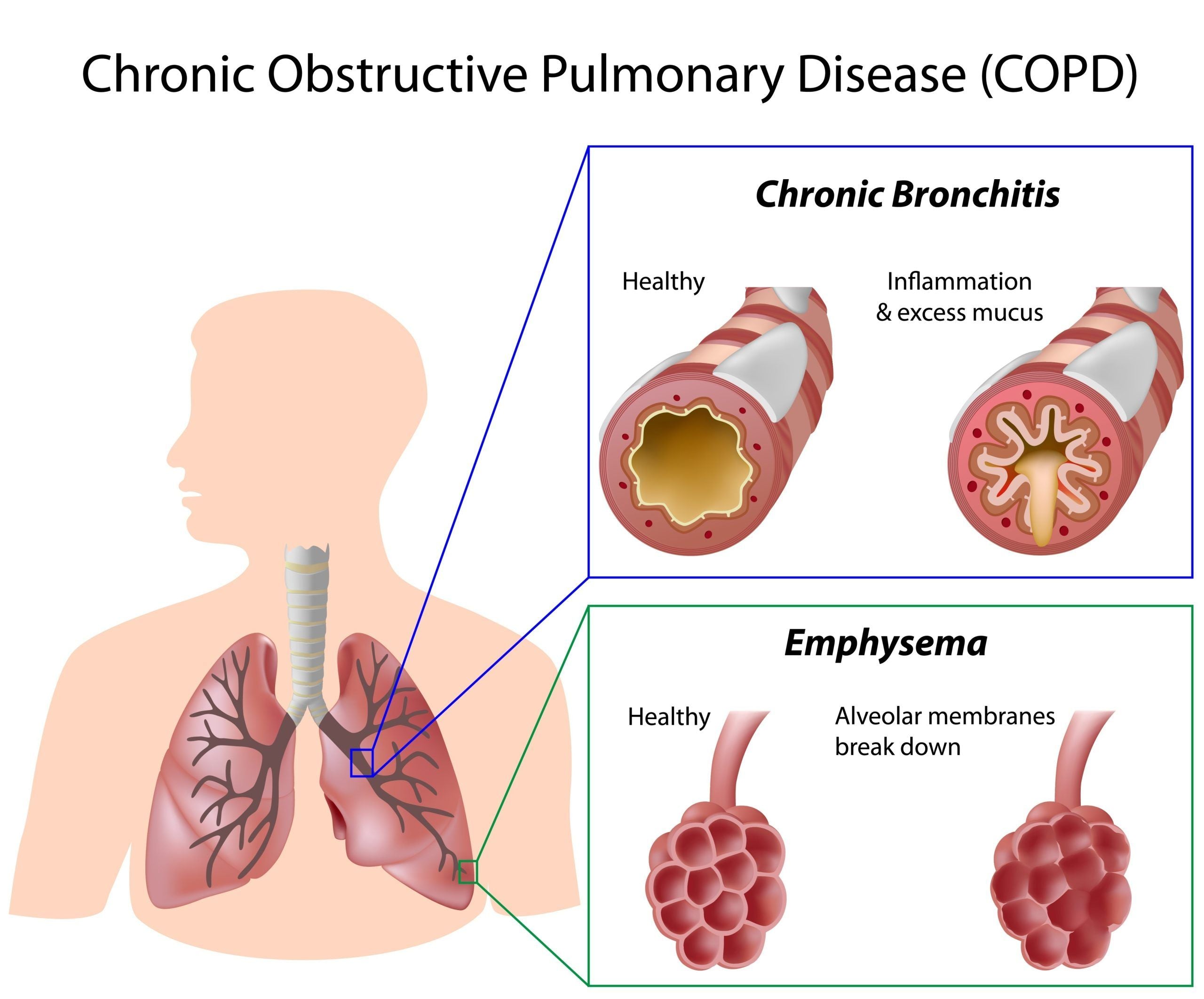
COPD or Chronic Obstructive Pulmonary Disease is the name given to a group of diseases that affects lung function and air flow. Symptoms of COPD often develop slowly, starting with breathlessness, wheezing and chest tightness. A COPD diagnosis is serious and can be quite daunting for many people. But by making a few changes to your lifestyle and home environment, together with an effective course of treatment from your doctor, you should be able to successfully manage your condition.
Prior to your COPD diagnosis, you may not have given much thought to the quality of air in your home. But indoor air pollution can have a huge impact on our health, particularly for people with ongoing respiratory problems like COPD. We spend up to 90% of our time indoors. So it’s really important the air at home is clean and pollution free.
The cause of indoor air pollution is not always obvious. Often everyday items are to blame. Household detergents, soft furnishing and carpets emit certain types of chemicals. Gas stoves, gas heaters, gas boilers and tobacco smoke can all produce high levels of Nitrogen Dioxide, a particular problem for people with COPD.
Indoor air pollution is almost impossible to eliminate without a little help. Installing an air purifier really is the only viable way to tackle the problem. Having an air purifier at home ensures ALL types of airborne pollutants are dramatically reduced. This is the key to improving respiratory health. Research shows that indoor air, free from ALL types of pollutants will help to ease many of the symptoms associated with COPD, asthma and other respiratory diseases.
Our air purifiers remove sub-micron particles, noxious gases and chemicals from the air without creating by-products such as ozone. In every Austin Air purifier, you’ll find True Medical Grade Certified HEPA Material and Activated Carbon, the only trusted filter technology, used in hospitals and operating rooms. Installing one of our air purifiers guarantees the air in your home is as clean as it can be. Clean air WILL improve your symptoms and you WILL feel better.
What else can I do?
If you smoke, you need to stop immediately. If you are struggling to quit on your own, talk to your doctor about the support and treatment available.
Ensure bedding is free from allergens. Frequently vacuum your mattress, use anti-allergen pillow and mattress protectors and regularly wash your pillows on the hot cycle.
Keep carpets, rugs and soft furnishing clean and free from dust. If possible, opt for hard wood or tile flooring rather than rugs and carpets, to guarantee thorough cleaning.
Try to keep dust collecting clutter to a minimum. Surfaces free from clutter are easy to clean and won’t collect dust.
If you know that your pets cause your symptoms to worsen, try to keep them out of your bedroom. Although you can’t ensure your pet is allergen free, regular cleaning and grooming will keep the amount of pet dander they shed to a minimum.
Make sure your home is mold free, as damp and mold will aggravate your symptoms.
And finally, invest in a Certified HEPA Material air purifier. Our units were recently part of a study carried out at Johns Hopkins University, to show how using an air purifier could help to reduce Nitrogen Dioxide levels in the home and therefore reduce symptoms of COPD.
For more information on our range of air purifiers, please visit our Products page.
By taking these few simple steps to improve the indoor air quality in your home, you WILL be able to improve your respiratory health and you WILL effectively manage your COPD.