For more information visit our wildfire toolkit at www.WildfireToolkit.com
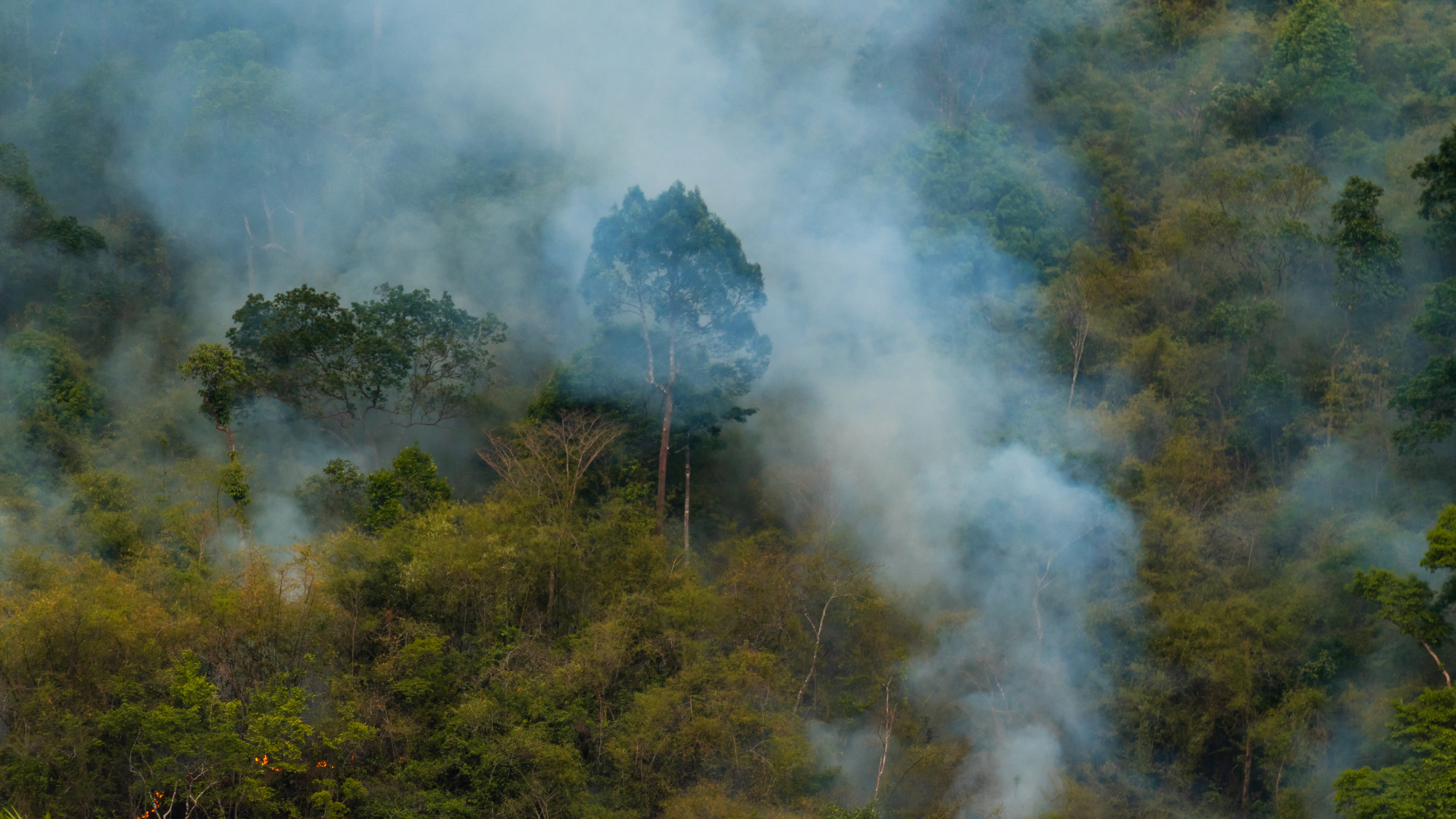
Wildfires. They’re ravaging the world. We’re no longer seeing wildfire seasons – we’re seeing wildfire years. Fires are burning faster, hotter, and longer than ever.
Plus, the effects of wildfires aren’t just contained in the areas they happen in. The impacts are massive, and smoke can spread hundreds, even thousands of miles. Reducing smoke inhalation is essential for everyone, especially children, older adults, and those with preexisting health conditions.
So, read on to discover six essential steps during a wildfire to reduce your family’s exposure to smoke.
1. Stay Inside as Much as Possible
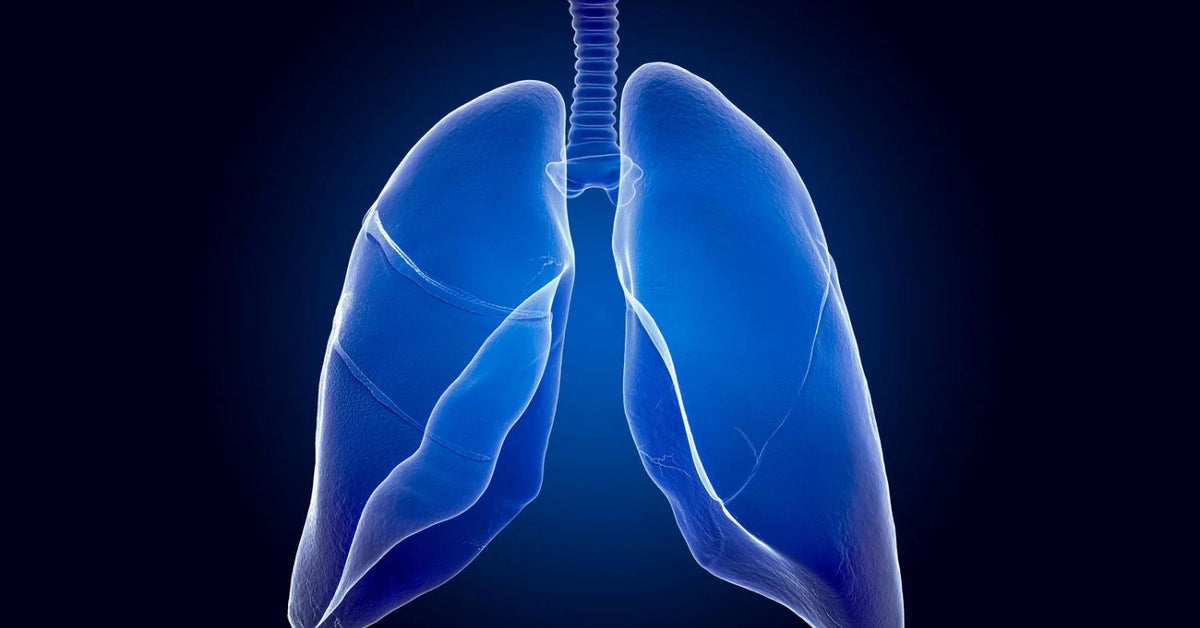
It’s a fact – wildfires can cause many health issues. Wildfire smoke exposure causes breathing difficulties, burning eyes, and a sore throat. And, for people with ongoing respiratory problems, like asthma or COPD, smoke inhalation exacerbates symptoms and can increase the chance of an asthma attack, which for some, can be fatal. Smoke inhalation can also cause an increased risk of heart attacks and strokes and is connected to diseases like Dementia and Alzheimer’s. New evidence also suggests smoke from wildfires directly affects the spread of Covid-19.
While you’re inside, avoid activities that create more airborne pollutants, like:
- Smoking
- Spraying aerosol products
- Frying or boiling food
- Burning candles or incense
- Vacuuming (unless you use a vacuum with a Certified HEPA Material filter)
2. Keep Doors and Windows Shut
It’s important not to let wildfire smoke into your home. Wildfire smoke can be ten times more harmful than other pollutants because wildfires burn not only wood but also building materials, furnishings, and even metals. This produces a mixture of many harmful particles, chemicals, gases, formaldehyde, and VOCs.
3. Turn Off Your HVAC System
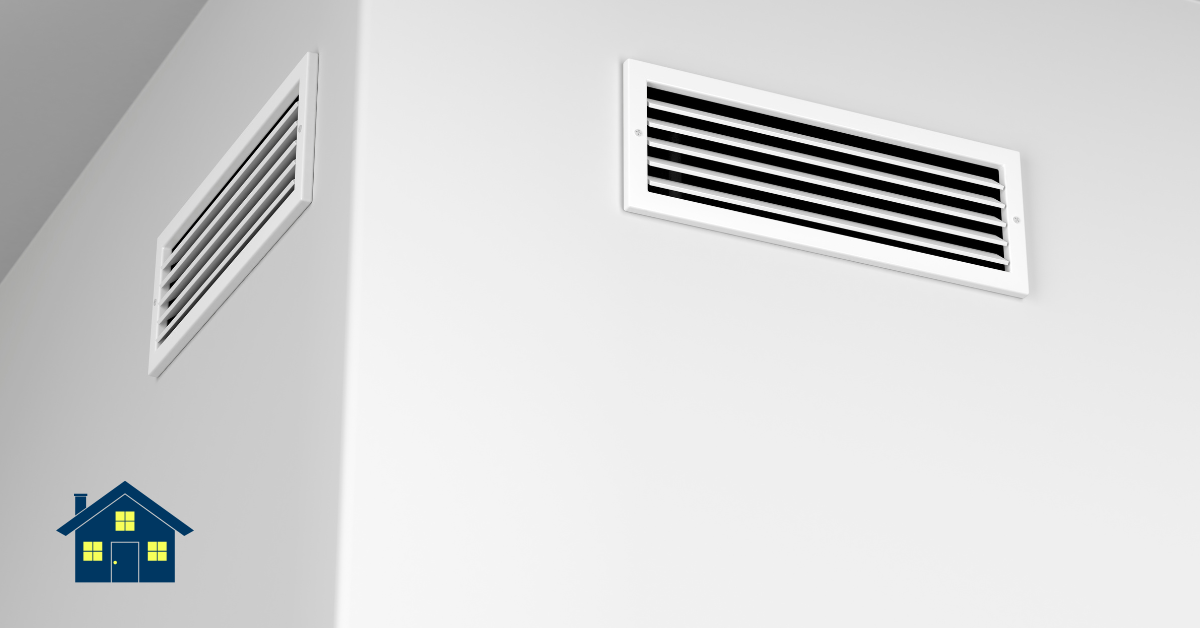
Clean air intake systems pull in wildfire smoke from outside, and HVAC filters can’t adequately filter out the smoke because they get clogged easily. Your best bet is just to turn it off and close the outdoor intake damper.
4. Don’t Use Air Conditioners
Remove portable air conditioners from windows, close the outdoor air damper, and turn off ductless air conditioning. If you choose to leave the air conditioner in the window, ensure the seal between the unit and the window is as tight as possible. These also pull in air from outside, clog easily, and do not have adequate filters. Opt for fans instead, or if you really can’t stay cool, seek shelter elsewhere, if possible.
5. Tape Off Leaky Windows
Leaky windows also let air from outside inside. During a wildfire, it’s essential to keep your home as airtight as possible. Using painter’s tape, duct tape, or plastic coverings may be beneficial to seal off leaky windows.
6. Use a Certified HEPA Material and Carbon Air Purifier
The EPA says, in a wildfire, “If you use a portable air cleaner, run it as often as possible on the highest fan speed” (1).
Not all air purifiers are equipped to handle wildfire smoke. That’s because wildfire smoke contains a mixture of large and fine particle pollution and chemicals, formaldehyde, gasses, and VOCs. Therefore your air purifier should have activated carbon to adsorb the chemicals and gases. It should also have true, medical-grade Certified HEPA Material (NOT Certified HEPA Material-like material) to capture fine particles.
And it should have a substantial amount of both.
Austin Air uses 60 square feet of true, medical-grade Certified HEPA Material to remove 99% of particles larger than 0.1 microns. No one else in the industry uses that much.
The Austin Air HealthMate Plus has up to 15 lbs of a unique blend of activated carbon, potassium iodide-impregnated carbon, and zeolite to remove the widest range of chemicals, gases, and VOCs in wildfire smoke.
Austin Air has helped millions of people affected by wildfires. We’ve worked with FEMA and the American Red Cross. And we’re recommended and sold by doctors in wildfire areas.
References: