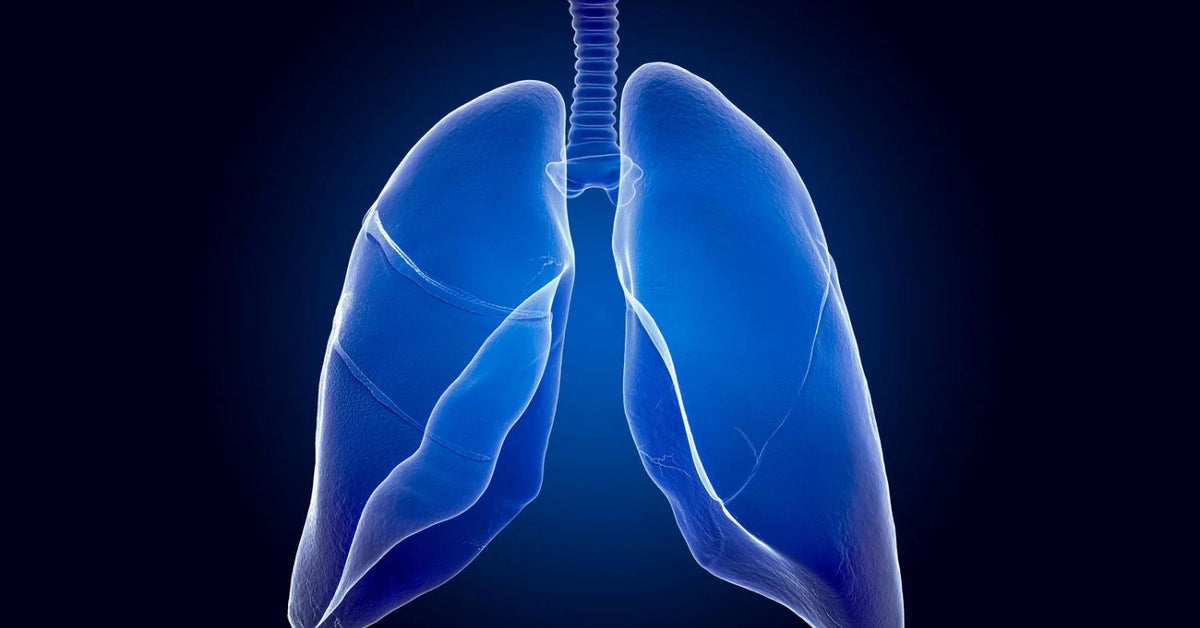
We have known for some time that smoking while pregnant can harm a baby. It has been linked to a wide range of problems including Sudden Infant Death Syndrome (SIDS), miscarriage, and still births. Another common result is low birth weight, which can in turn lead to its own set of health complications such as weak lungs, asthma, a weaker immune system and more. Despite comprehensive warnings that smoking is directly linked to various health problems, as many as 12% of expectant mothers still continue to smoke. This translates to 400,000 babies born every year. The use of electronic cigarettes in lieu of traditional tobacco does not guarantee babies are safe, as they are still exposed to chemicals. It has been suggested that the effects, which are not yet fully understood, may be equally damaging or worse. Given the continued prevalence of this, experts continue to study the effects that smoking while pregnant has on babies in the womb and after they are born. Two recently published studies have shed more light on this pressing issue.
The American Journal of Physiology – Lung Cellular and Molecular Physiology recently published a study by scientists from Los Angeles Biomedical Research Institute which shows that we may be able to repair some of the damage done by in utero smoke exposure, including a reversal of asthma. An earlier study found that treatment during pregnancy could help to protect babies against the damaging effects of nicotine. So scientists took their theory one step further, and now claim that not only can the same treatment protect unborn babies from the inhaled nicotine but also reverse some of the damage that has been done. The team plans to do further research to learn more but the results are extremely promising and may help people with respiratory ailments for a variety of different reasons. While this research is a potential victory on one front, new evidence suggests that smoking during pregnancy may harm development more than previously understood.
The internet was ablaze with public outrage earlier this week when photos were published in the journal Acta Paediatrica which seem to show physical discomfort in an unborn baby whose mother was a smoker. There’s more to these images than meets the eye but they’re startling nonetheless.
Doctors sometimes ask smokers to pay attention to movement of the baby in the womb to evaluate the health of the fetus. This is not necessarily a dependable method and as such, researchers from England compared high-definition ultrasounds of smokers to non-smokers in an effort to confirm if any differences do exist. The pilot-study consisted of sixteen non-smokers and four smokers who were scanned four times between weeks 24 and 36 of pregnancy. The baby exposed to smoke literally appears to be grimacing but the significance of these images is actually related to the development of the central nervous system.
As a pregnancy progresses, the frequency of mouth activity and face touching decrease – this is reflected in the seemingly calm demeanor of the smoke-free fetus. The difference in the amount of movement of the mouth and face touching remained between the two groups throughout the study and in fact, it increased as the scans continued. This is an extremely early developmental milestone which appears to be delayed in children whose mother’s smoke during pregnancy. Other factors contributing to this perceived gap in growth may be stress or depression.
There is little doubt that this will be studied further, but until then – we encourage women who are pregnant to seek support to help them quit smoking. Being smoke-free now may not only save the health of you and your unborn baby – it could also influence the health of your grandchildren even if your children don’t smoke due to potential intergenerational inheritance of genetic mutations that are the result of gestational exposure. Although there is hope that this damage can be reversed within one generation, it should go without saying that there is no need to risk it. There are a lot of resources from a variety of different public health agencies to assist people who hope to stop smoking. You can also receive backup over the phone by calling the QUIT NOW helpline at 1-800-QUIT-NOW.