There has been growing evidence to suggest that exposure to airborne pollutants can affect our health from the time we are conceived, right up until our senior years. In the last few weeks, no less than THREE studies have been published to support this theory.
A study from the National Institutes of Health, found that women exposed to airborne pollutants one week before they gave birth, increased the risk of their child being admitted to ICU by as much as 147%.
In another study, this time from a team in India, they found a correlation between exposure to airborne pollutants and delayed development in children. With new-born babies and babies soon to be born at particular risk.
And in a third study from the University of Washington, moms exposed to high levels of air pollution during their pregnancy were more likely to have babies with a lower IQ, in comparison to moms breathing clean air when pregnant.
So what happens when we are exposed to airborne pollutants? According to the experts, it’s a multipronged attack.
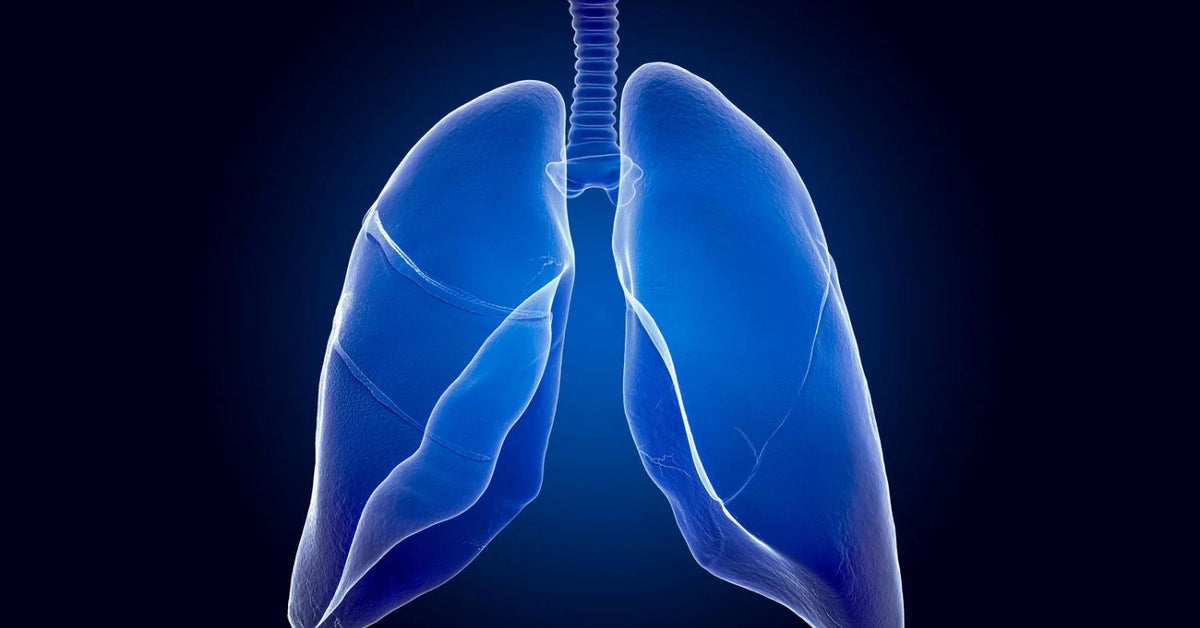
Perhaps the most obvious risk is the damage it can do to our respiratory health. Babies exposed to high levels of pollution often suffer from repeated respiratory infections. This can compromise their immune system, which in turn can affect growth and development.
Exposure to particulate matter can also cause inflammation. Ultrafine particles, smaller than 2.5 microns are small enough to enter the blood stream. Once there, they are free to travel to the brain and other vital organs, causing inflammation and oxidative stress. This inflammation can actually break down the brain’s protective barrier, leaving it exposed to toxins. Being exposed to toxins in this way has been linked to degenerative memory and motor disorders. In fact, babies exposed to high levels of pollution often have the same proteins as adults with Alzheimer’s.
It is no surprise that children are more vulnerable to pollutants than adults. Their lungs are not yet fully developed, and they take more breaths than we do. But according to this latest evidence, it’s just before and just after birth that they are most at risk. A baby’s brain grows fastest in the first 1000 days of development. So from the time they are conceived until somewhere around their second birthday, avoiding any type of air pollution is absolutely vital.
Our Baby’s Breath Air Purifier has been designed to keep the air in your baby’s nursery clean, safe and free from pollutants. With its 4-stage filtration system, it effectively removes allergens, chemicals, gases, bacteria and mold. Protecting your baby when they need it most. For more on the Austin Air Baby’s Breath click here.