It is clear the current global pandemic will change many aspects of our lives, long after this first phase is over. This week, we take a look at how this year’s wildfire season will be affected.
Lack of preparation could have catastrophic consequences
The US Forest Service, an organization that manages more than 50% of California’s woodland, has recently announced it is suspending all future prescribed burns, due to current Covid-19 restrictions. Other activities such as vegetation clearance and staff training are also proving difficult to manage, as staff practice social distancing and many are absent from work with virus symptoms.
It is also around this time of year that ‘Wildfire Awareness’ meetings are held, to help individuals in high risk communities plan for wildfire season. However, with restrictions in place to stop groups of people gathering, this too could be difficult to arrange. This lack of preparation now could have catastrophic consequences later in the year.
Would your home survive a wildfire?
There are lots of things we can do to reduce the risk of our homes catching fire. According to the experts, it’s often the sparks from nearby fires that are the real danger. And dead leaves and pine needles on your roof and gutters could easily catch fire if embers are flying round. Make the most of your time at home now, clear any potential ‘fire fuel’ around your property and garden.
Ensure your outdoor area is free of clutter and store any firewood away from your house. Try to avoid flammable deck furniture. Sparks from nearby fires are all it takes to set cushions and fabrics on fire. Prune back all shrubs and plants and make sure any dead growth is removed. Keep your grass short. A little yard work now could make all the difference in a few months time. If you would like more info on what you can do to reduce your risk check out this video.
Protect yourself to protect our hospitals
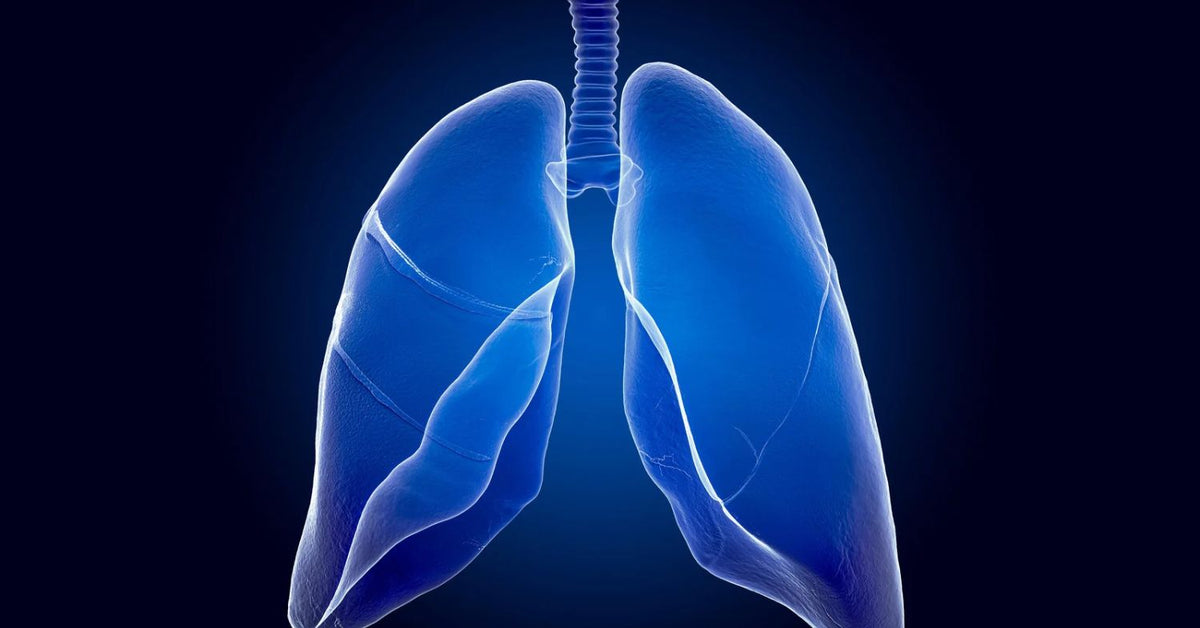
Our healthcare system is experiencing unprecedented strain at the moment. We all need to do what we can to lessen the burden. For people with ongoing respiratory issues, smoke from wildfires is a particular concern. So it’s important that we take care of ourselves now, before the wildfire season hits. According to scientists at the University of British Columbia we need to make sure all meds are up to date and when possible, purchase an air purifier.
It’s a double whammy this wildfire season
Data from the 2003 SARS outbreak found that people exposed to high levels of air pollution were 84% more likely to die after contracting SARS, in comparison to people breathing cleaner air. SARS and Covid-19 belong to the same family of viruses, both attack the respiratory system. So although Covid-19 has not yet been thoroughly tested, it is fair to assume the same theory will apply.
Smoke from wildfires can weaken our lungs, making us more likely to experience serious Covid-19 symptoms.
Be prepared
If you’re concerned about wildfires in your area, now is the time to prepare. The Austin Air HealthMate Plus, is our number one choice for people affected by wildfires. Its broad-spectrum adsorption is highly effective at removing chemicals, VOC’s and smoke, as well as viruses*, bacteria, allergens and dust. For more info on the HealthMate Plus click this link.
*Covid-19 is a new strain of virus that as yet, remains untested. However, the Medical Grade Certified HEPA Material technology used in our filters is proven to remove up to 99% of all airborne contaminants as small as 0.1 microns.